Stretch Developer

Taking urban development into our own hands

  • Home
  • About
  • The Project
    • Finding a Property
    • Design
    • Approvals
    • Financing
    • Construction
    • Performance
  • Blog
  • Contact
  • Rental Suite

Small Lot Design

May 23, 2016 by clove Leave a Comment

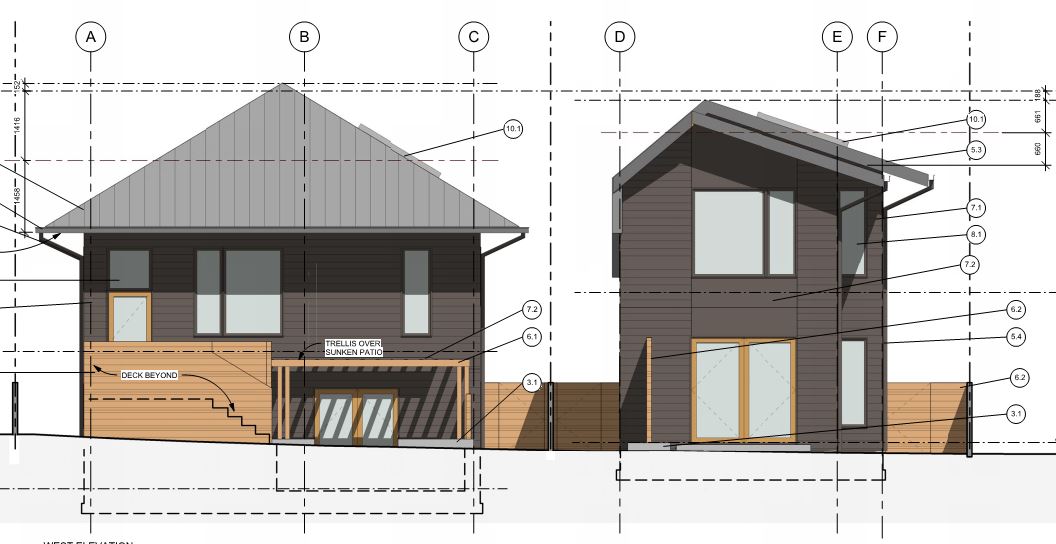
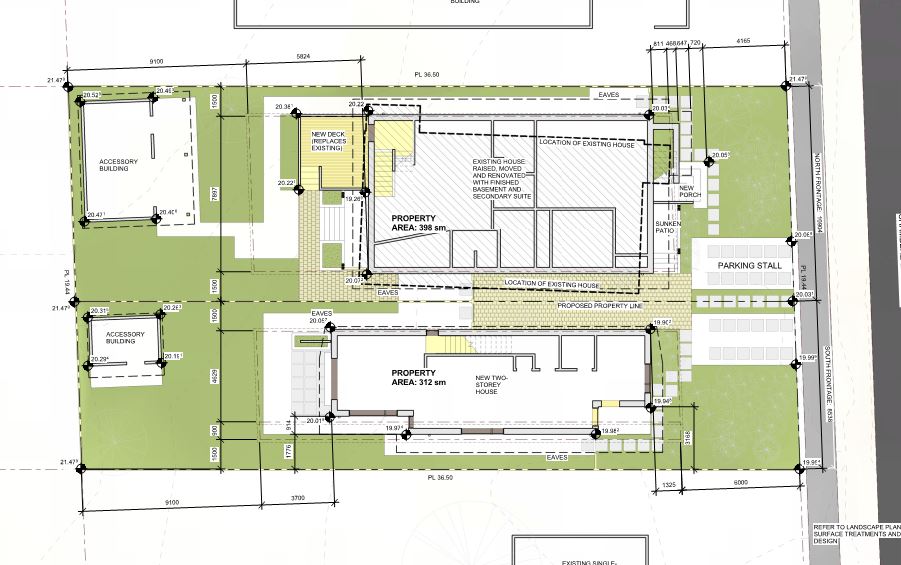
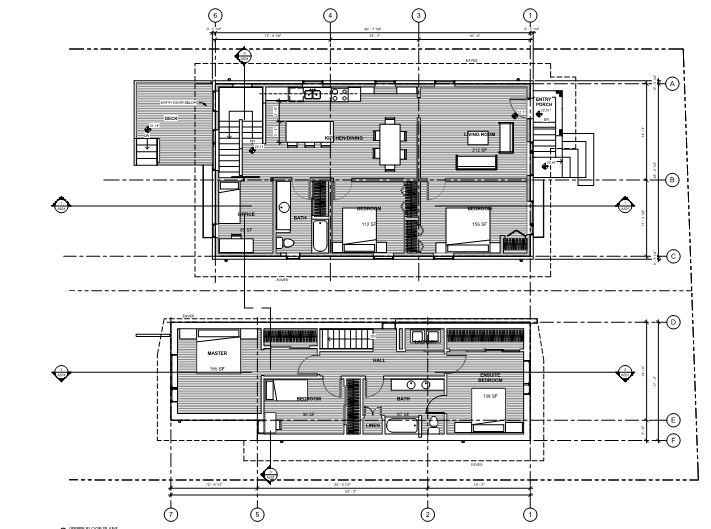
Here are some renderings and plans from the small lot design we have been sharing with our neighbours for the last few months.

I also presented this design at a preliminary meeting with the Fairfield Gonzales Community Association Land Use Committee (CALUC) in February. This was not the ‘official’ CALUC meeting, but rather a preliminary meeting that some neighbourhood committees request – an opportunity to introduce the project, meet the committee and hear their initial comments. We will apply to present at the “official” CALUC meeting when we are ready to submit the rezoning application, and we’re not there yet.

All renderings and plans are by Mark Ashby Architecture, unless otherwise noted.
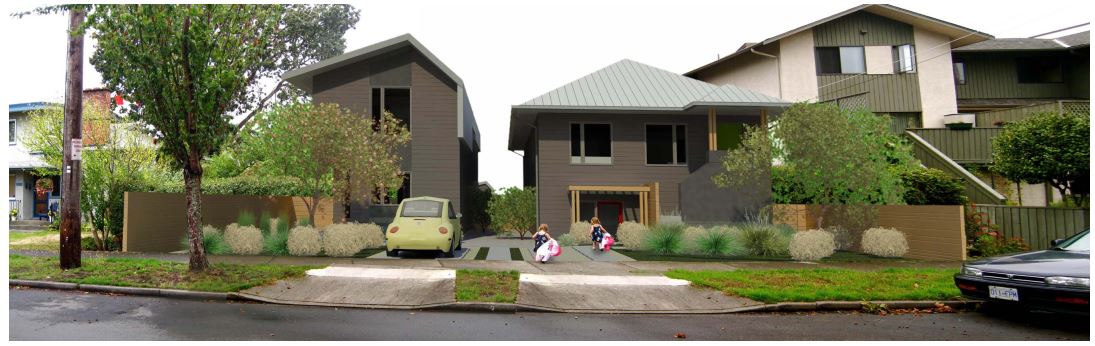
Streetscape After Rendering

Streetscape AFTER

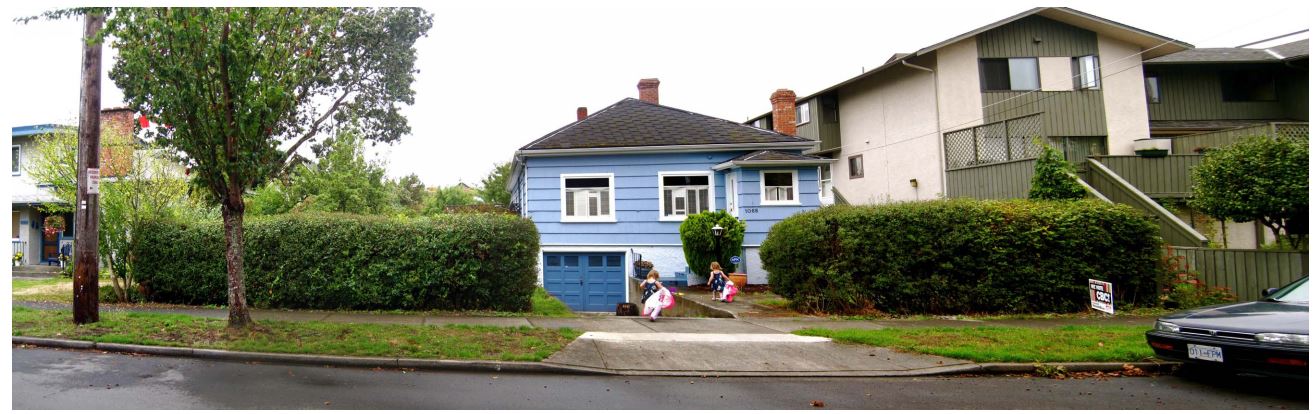
Streetscape Before Rendering

Streetscape BEFORE

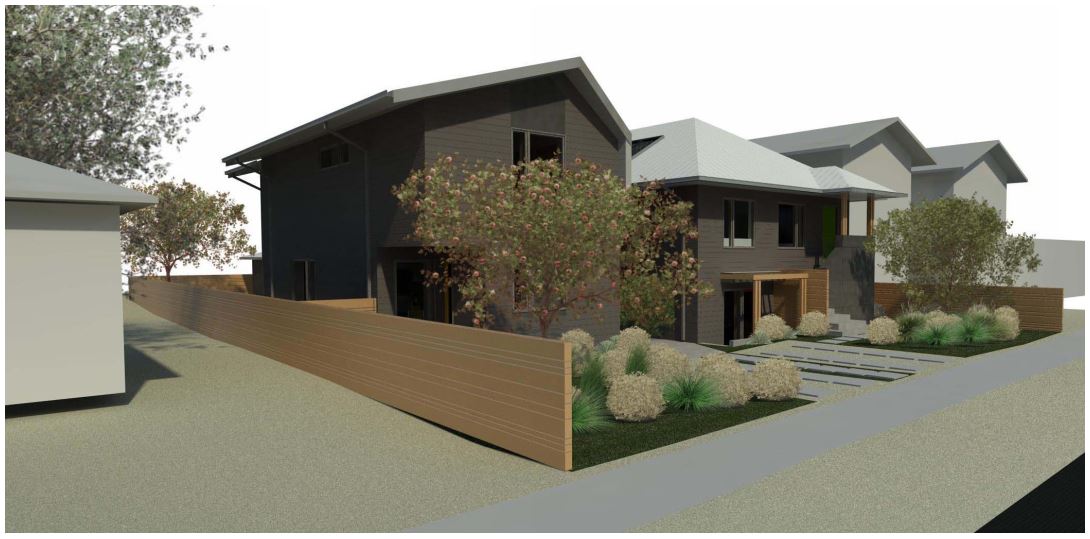
View from the southeast, rendering Mark Ashby Architecture

View from the southeast

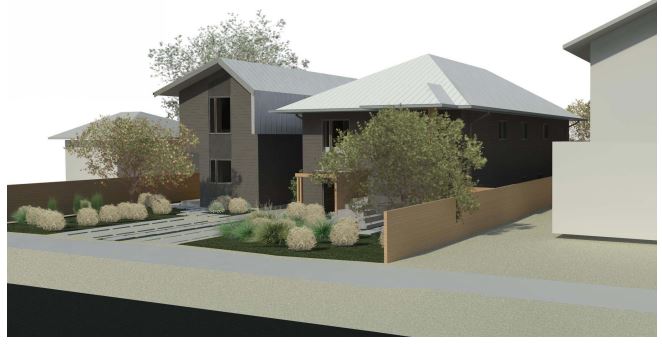
View from the northeast, rendering by Mark Ashby Architecture

View from the northeast

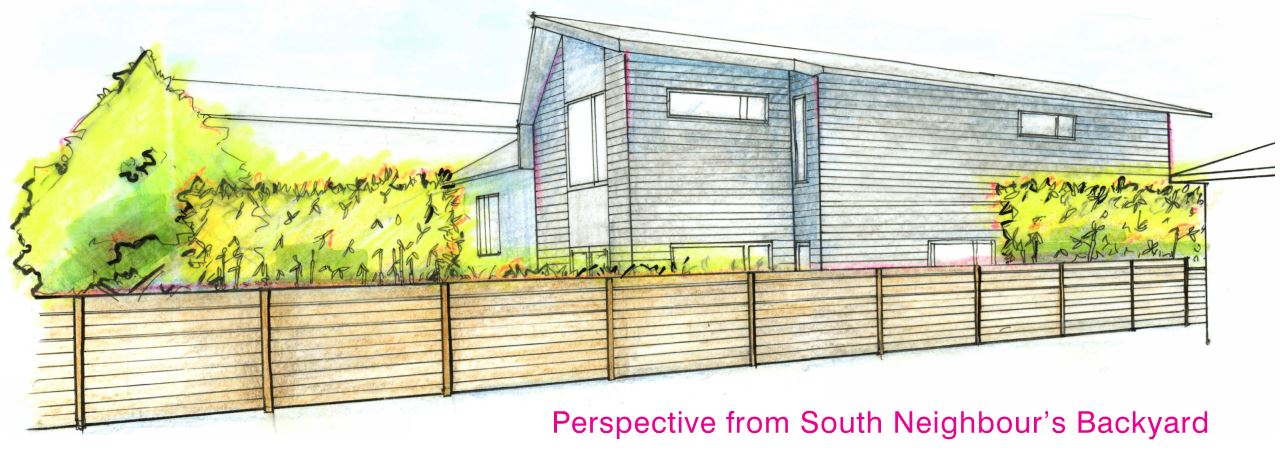
View from south neighbour's back yard, sketch by Kate Stefiuk

View from south neighbour’s back yard, sketch by Kate Stefiuk
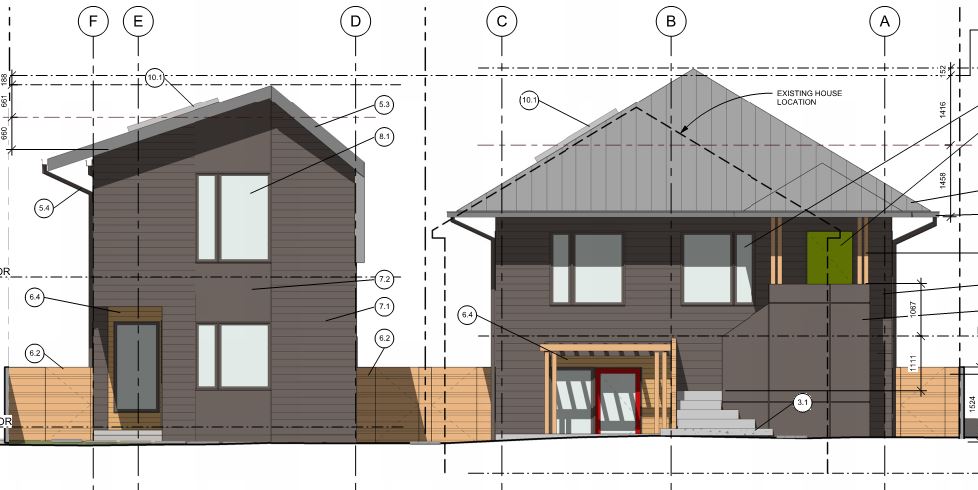
East Elevation, rendering by Mark Ashby

East Elevation (front)

West Elevation (rear), rendering by Mark Ashby

West Elevation (rear

Site Plan, by Mark Ashby Architecture

Site Plan

Lower Floor Plans, by Mark Ashby Architecture

Lower Floor Plans

Upper Floor Plans
Upper Floor Plans
Filed Under: Design, Featured Tagged With: design progress, low energy design, small lot subdivision

On Courage and Cool Projects

April 8, 2016 by clove Leave a Comment

We are (still!) in the midst of neighbourhood consultation, and I will provide an update on that process very soon. Suffice to say that I occasionally wake in the middle of the night feeling anxious and in need of a fresh burst of inspiration. So for this post, I am sharing some big ideas from beyond our small project.

Last month I attended the Passive House Northwest Conference (PHNW)  in Portland Oregon to present the research RDH is doing at the North Park Passive House here in Victoria. I left the conference full of admiration for the people making incredible projects happen on our continent. And it really is about the people. These projects do not just materialize on their own accord. The people who are making them happen display incredible depths of courage and tenacity. Here I introduce you to two of these people and their projects.

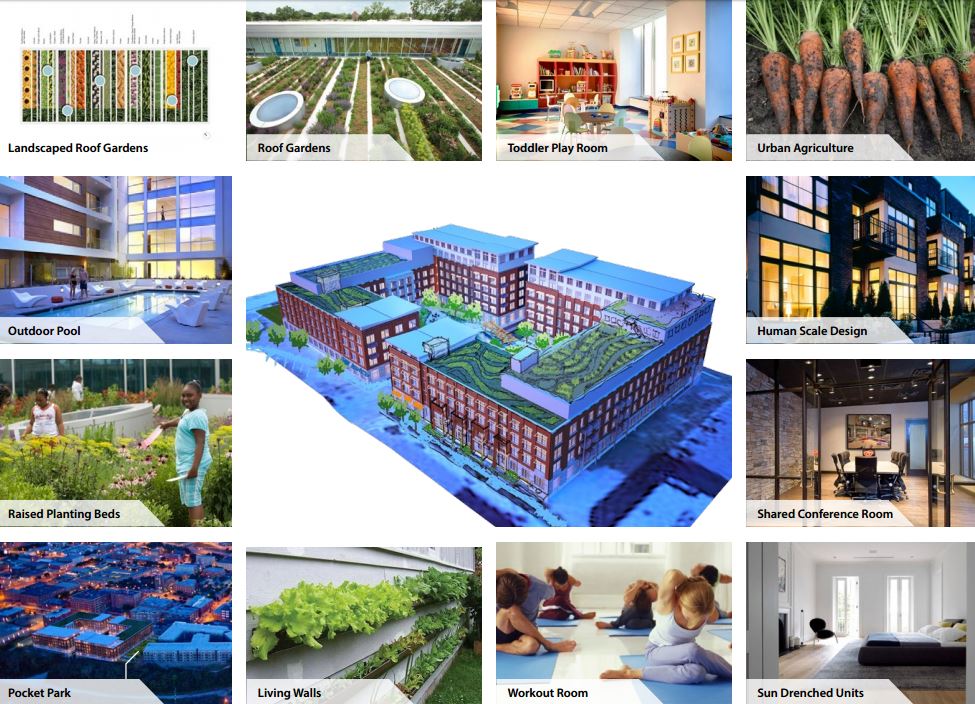
Second and Delaware

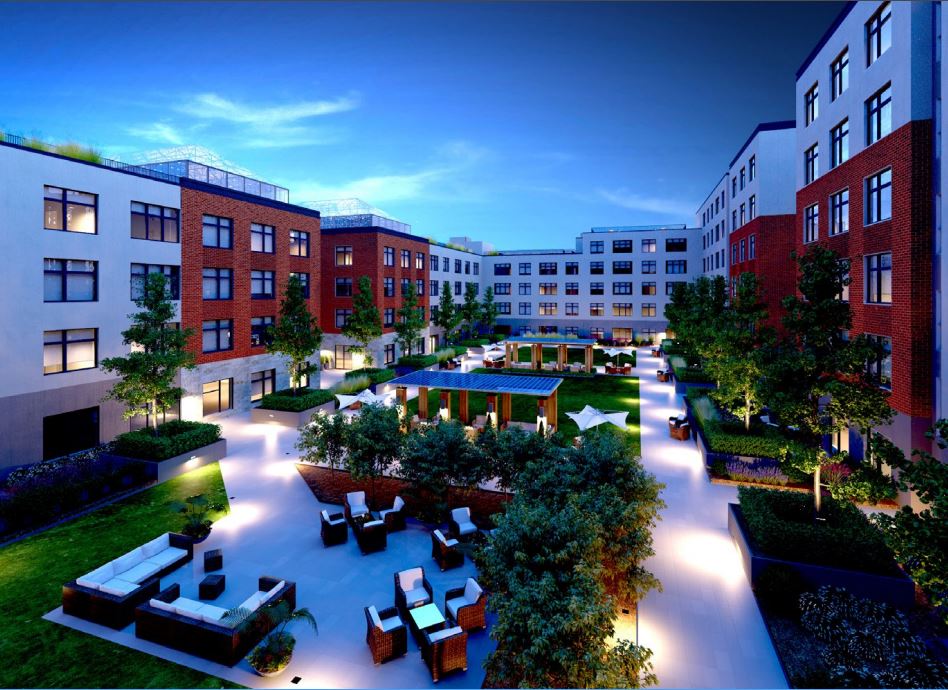
Arnold Development Group’s Second and Delaware project; rendering from Arnold’s PHNW presentation

  • Jonathan Arnold, President and CEO of Arnold Development Group, for his triple bottom line development model (one look at his Advisory Board will tell you this is a company committed to doing things differently) and his latest project at Second and Delaware in Kansas City. This project I love because it addresses everything that matters today in terms of development: energy, housing, food and transportation. It is a higher density rental project in the heart of the city that uses a traditional courtyard design. It is walkable and transit oriented. It is designed to meet the Passive House standard. It includes a diversity of housing types, including 20% ‘workforce’ housing. It includes space for urban farming. It is a place where people will want to live, can afford to live, and can do so with a light environmental footprint.

You can download his presentation from the conference here.

Second and Delaware 2

Second and Delaware features; from Arnold’s PHNW presentation

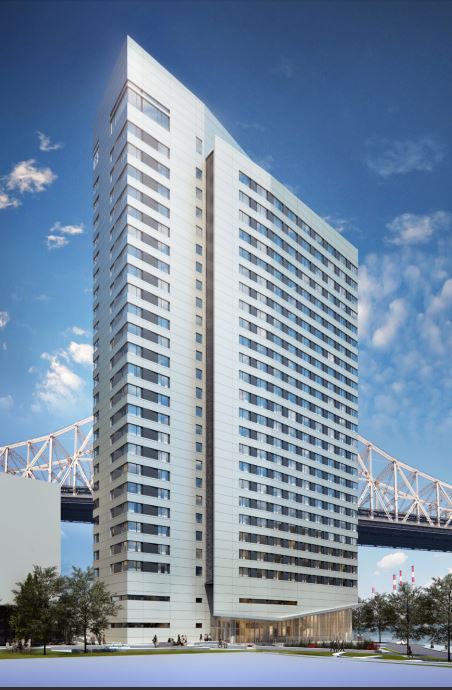
  • Lois B. Arena, Senior Engineer and Passive House Consultant at Steven Winter Associates , for driving the design of the world’s largest Passive House building – the Cornell Tech NYC Campus Residential Building, now under construction.
Cornell U

Cornell Tech NYC Residential Building, rendering from Arena’s PHNW presentation

Imagine that the fasteners that Lois needs to attach curtain wall with no thermal bridging did not exist before her project. She is drawing completely new details and training contractors. She is having to change existing building code to design the mechanical ventilation system. She is the one telling the contractors that they are simply going to have to do things differently – and she’s undoubtedly repeating this message over and over again. She joked about going grey within a couple of months of the start of construction, but what an accomplishment it will be after it’s complete.

Lois’ presentation (which will particularly appeal to the techies in the crowd) can be downloaded here.

When I see the sprawl in the outer edges of our city and the construction practices that focus on short term profit, I lose heart that things will change and change fast enough to have a real impact on climate change. Then I see projects like these. Big projects in big cities. People who are showing that it can be done and that designing for the environment goes hand in hand with fiscal common sense.

Returning to the really big picture, I want to close with an invitation to view Zack Semke’s fantastic keynote presentation at PHNW, which ended with a standing ovation. Zack opened with the worst case scenario: If we burn all remaining fossil fuels, Antarctica will melt and sea levels will rise by 200 ft. He asked: Are we all f****d no matter what we do?

I highly encourage you to flip through his slides – at turns shocking, hilarious, and inspiring as the key messages will shine through without having heard the talk.  Below is an excerpt – a graph of the relative prices of gas, coal, oil, LNG, and solar. The plummeting grey line is solar, and may represent what is called a “Black Swan” event – an event that changes everything and seems to have come out of nowhere. The internet is a black swan event. The plummeting price of solar PV? Could be a black swan event.

Price of PV Black Swan

Price of Solar PV vs gas, coal, oil, LNG.

Zack’s call to action is to resist climate denialism (there is no problem and/or we’re not part of the problem), overcome climate defeatism (we’re all f*****d anyway), and continue to take small local steps toward potentially huge collective change. Three cheers for courage and cool projects.

Filed Under: Featured Tagged With: climate change, community engagement, energy consumption, energy efficient design, infill

How Much of an Energy Hog is Our Existing House?

March 18, 2016 by clove 4 Comments

Our goal is to create housing for 2.5 families that uses less energy than the existing single family house. So how much of an energy hog is our existing house?

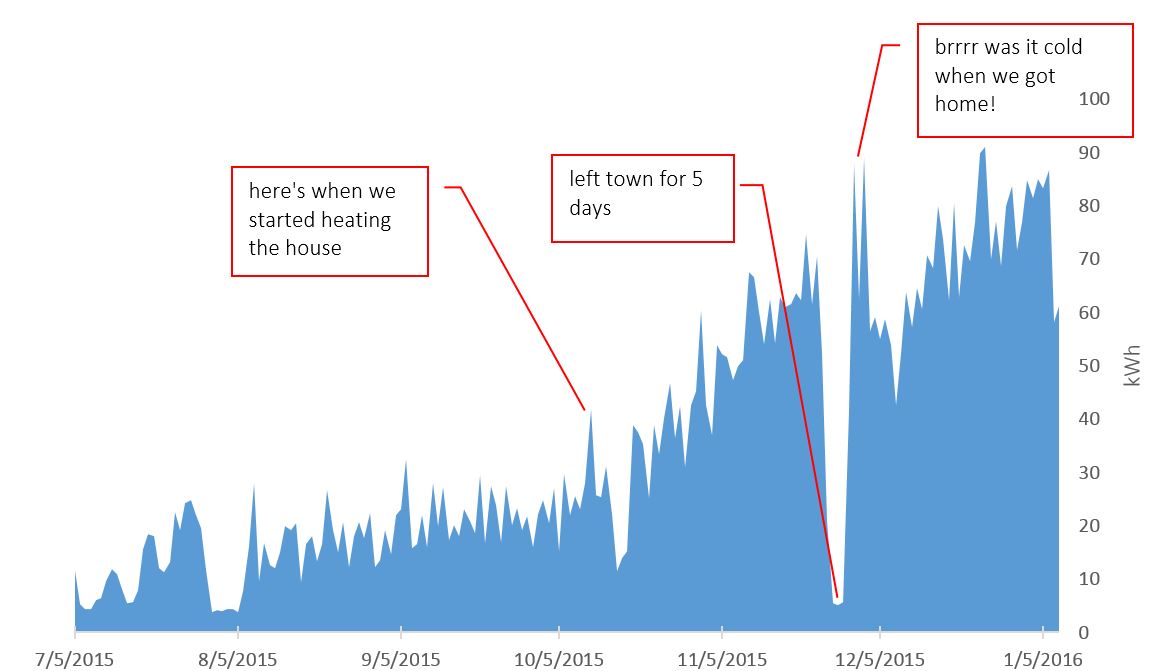
Here’s what our daily energy consumption looks like for the first 6 months we’ve lived here, starting in July 2015:

Existing house energy consumption-bigger

So…is this a lot?

Let’s do some very rough comparisons. I’ve doubled our first 6-month consumption to estimate annual consumption; converted to a per square meter metric and then compared against some other references:

  • Canadian average consumption for a household our size, kWh/square meter/year
  • Our existing house consumption, estimated, kWh/square meter/year
  • A typical German house, kWh/square meter/year
  • The first local certified Passive House (Bernhardt Passive House), kWh/square meter/year*

*We’re just talking ballparks here. It’s pretty difficult to find comparative numbers that all use the same assumptions – my intent is to show a reasonable range in potential consumption.

Energy comparison-biggest

Hey! We’re actually doing really well by our abysmal Canadian standards, and pretty average by German standards. Of course, we would expect our consumption to be lower than the Canadian average because we have the mildest winter in Canada, although it’s unlikely to result in this much of a difference on its own.

But wait – this is only part of the story.

The other part of the story is that, boy, were we cold over the winter!

Our house came with an oil furnace and an empty tank. We didn’t want to buy a full tank of oil to heat the house for a winter when we’re getting rid of this system with our renovation, nor did we particularly want to use the existing duct work. The previous owner was a smoker and lord knows what might come puffing out of those ducts. Better to let sleeping dogs lie.

Matt cobbled together storm windows for some of our original single pane wood windows, and we put plastic film on the inside of others. And we shivered through the (albeit mild) Victoria winter, with two wall-mounted electric baseboard heaters and 2 plug-in electric heaters. We moved the heaters around depending on what room we were in and closed doors of rooms we weren’t in.

In conclusion, then, our existing house isn’t an energy hog based on the way we’re currently running it, but it surely would be one if we heated to a modern-day standard of comfort.

This comparison shows very clearly the range of what is possible. I think we can hit our target compared to what a typical house in our climate consumes. And I for one am looking forward to experiencing the comfort promised by a well insulated, airtight, and properly ventilated house!


Filed Under: Featured, Performance Tagged With: energy consumption, energy efficient design, energy performance, net zero, passive house, ultra low energy

Landscape Concept Design

February 12, 2016 by clove 1 Comment

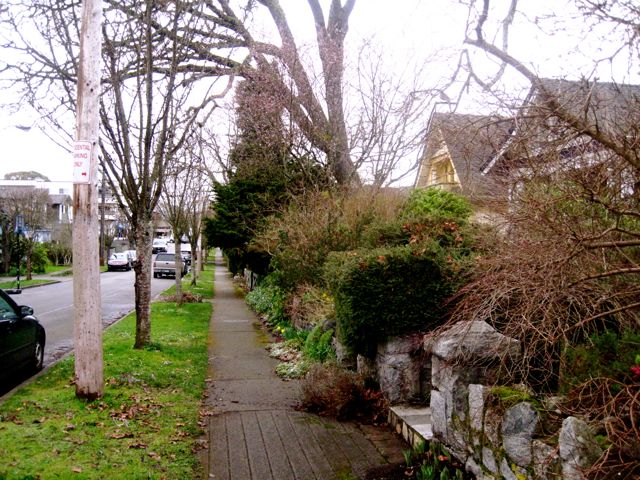
street landscape

A walk down our block

The landscape is a defining quality of our eclectic neighbourhood, and one of the goals of our design is to add something good to that landscape.

Streetscape Before Rendering

Streetscape Before

Streetscape After Rendering

Streetscape After, rendering by Mark Ashby Architecture

Here are a few key ingredients of the landscape concept:

  • We want to feel a stronger connection to the outdoors and to extend our living space into the back yard. Mark A has redesigned the back of our existing house to strengthen that connection from the kitchen.
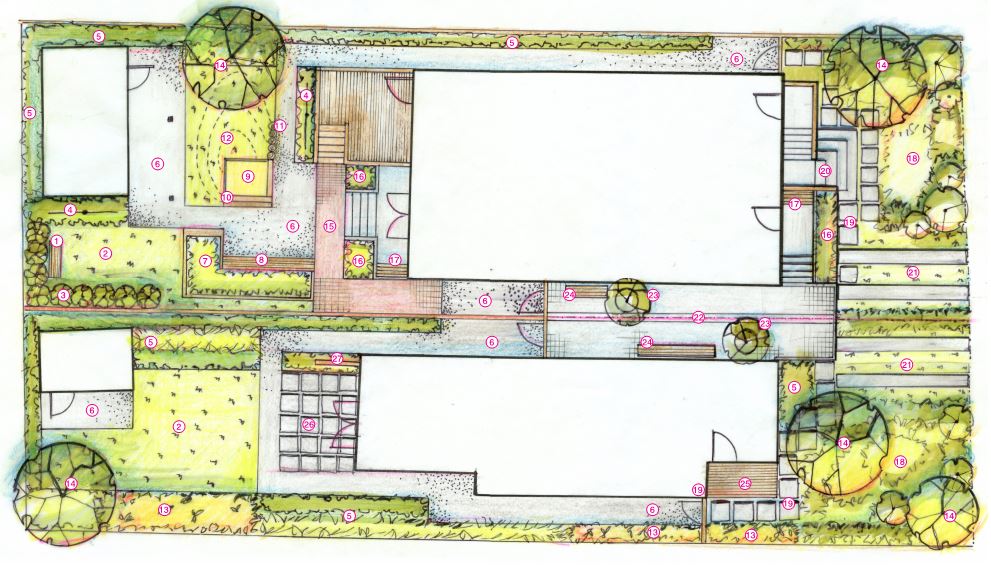
  • We want to grow food while playing outside. Kate S has packed a ton of beauty and functionality into a compact back yard space. Think veggie beds, espalier fruit trees, herb boxes, cedar benches, even a sand box for playing.

Landscape Concept Plan by Kate Stefiuk

Landscape Legend

Landscape Concept Plan by Kate Stefiuk

  • Deciduous trees can be natural allies for an ultra-low energy house. If placed well, they can shade windows from direct sun in the summer when you’re at risk of overheating, and then allow that direct sun in the winter when it helps warm the house. The tree in front of the new (south) house shown in the plan is an example, where it will shade the rising sun from the east facing windows in the summer.
  • We intend to manage storm water on-site. The City has an excellent guide in its DIY Rainwater Management Standards for incorporating storm water retention, management, and/or re-use strategies into the landscape design (with accompanying grants through its Rainwater Rewards program). We’re still working on which strategies will work on our site, and debating low tech solutions like rain gardens vs. higher tech solutions like using rainwater to flush toilets. I’m a big fan of simplicity and less a fan of systems that will require pumps and filters and continual maintenance. If anyone knows of a stylish but simple composting toilet, I’m all ears!

Filed Under: Design, Featured Tagged With: infill, landscape design, rain garden, small lot subdivision, storm water management

Design Charrette!

January 8, 2016 by clove 4 Comments

I hosted our design and build team at RDH for a design charrette in early December. I waited to hold this meeting until after we’d talked with enough neighbhours that we felt comfortable moving forward, and after we felt confident that we would be able to finance the project. We’d waste a lot of work and money on the detailed design if we didn’t have sufficient support on both fronts.

The goal of this meeting was to discuss big design choices in the context of cost, constructability, zoning, and performance, and then turn the design team loose to bring it to a point that we can present to the Community Association, and ultimately assemble our rezoning application package.

Around the table were Mark A (Architect), Mark B (Builder), Ian Scott (Planning Guru), Rob Lepage (RDH Building Science expert), and Kate Stefiuk (Landscape Designer). I felt awed and grateful that this talented and knowledgeable group of individuals was here to help make our project happen.

We hashed out most of the big design questions in three hours at the office. Mark A, Kate and I then fortified ourselves against the December rain with sushi and miso soup and wandered our property for another hour to discuss the landscape design in context. A productive day!

Here are the key items we discussed and agreed on (see the project page for the basic scope):

  • Building Shape
  • Suite vs. No Suite
  • Building Entries
  • Enclosure Design and Materials
  • Systems
  • Parking
  • Landscape and Storm Water Design
  • Accessory Buildings
  • Energy Modeling
  • Existing House Elements to Retain
  • Schedule

Building Shape:

The ideal passive house has 4 corners. Why? Well, you are investing more material into the envelope than a typical building to super insulate it. Every time you turn a corner, you have to transition all that material.  The cost of detailing is much higher than a straight wall, and the likelihood that the detailing will end up being less than perfect is high. This leads to increased thermal bridging and increased heat loss. So to build a high performing envelope in a cost effective manner, the less corners the better. The challenge then lies with the architect to dress up a box!

Fortunately we’re already starting with simple shapes. The existing house is a rectangle and we will maintain the existing footprint. The new house is very close to a rectangle, currently showing one wall bump to work around some setback challenges:

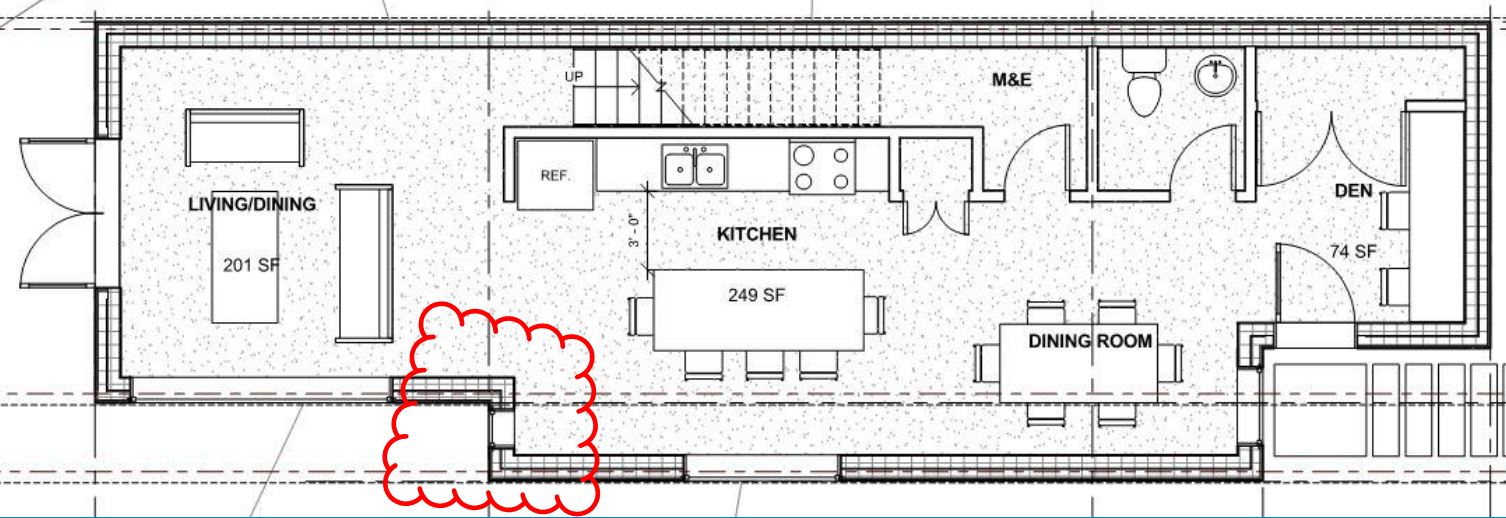
New house bump

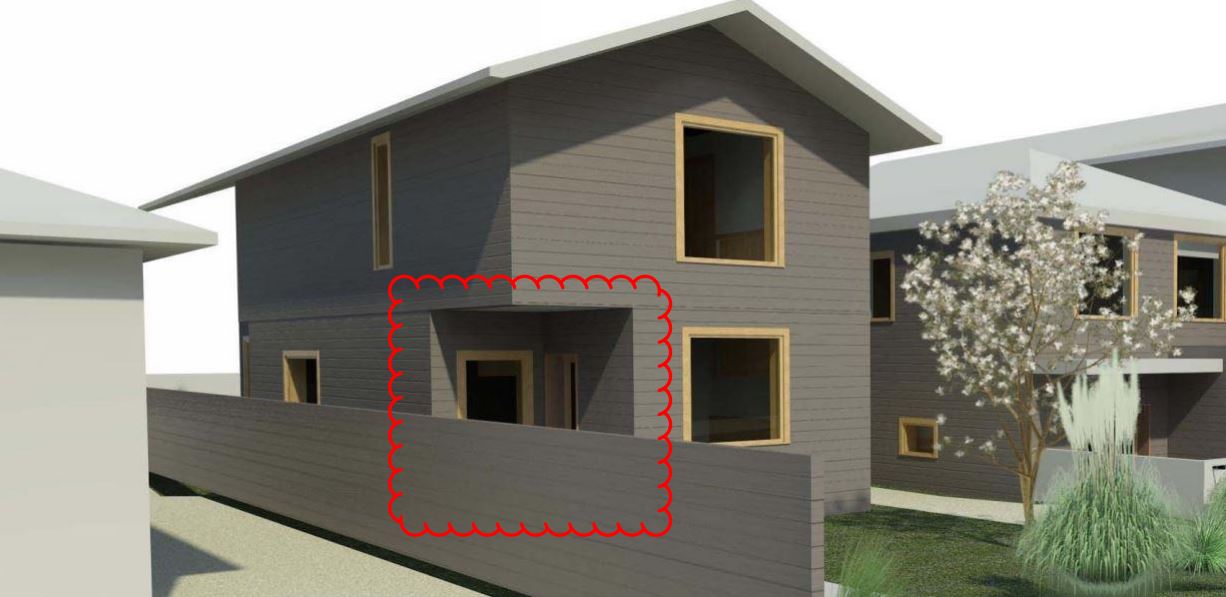
and a tricky cut-out detail at the entry, which will add cost and compromise performance due to complicated detailing:

New house entry

The wall bump is ok because it is simply an extra corner. Mark B suggested redesigning the front entry, though.

Suite vs. No Suite:

The City planner I met with back in October believed that the suite was the thorniest element of our proposal, since it is not supported by existing small lot zoning. However, our neighbours were either neutral or in support of adding the suite. Our design team felt that we could make a late change it would make or break our project, so we’re sticking with the suite for now.

Building Entries:

Ian suggested we consider making the existing house main entry more like a traditional front porch. This suggestion was based on his experience with city design guidelines and the typical feedback these projects receive. I am deferring to Mark A on this one, as I believe that a design can be modern, welcoming from the street, and fit with the neighbhourhood fabric without having to mimic historic styles.

Downstairs bike entry: We need an easy entry into the downstairs for bike storage. This we know from years of hauling bikes in and out every day; up and down skinny stairwells, around tight corners and various other less-than-ideal arrangements. The easier it is, the more likely we will continue riding every day forever. We may also have some limited bike storage space in Matt’s detached workshop, but a storage space in the main house for at least the most used bikes is really the best arrangement for comfort and ease of access.

Enclosure Design & Materials:

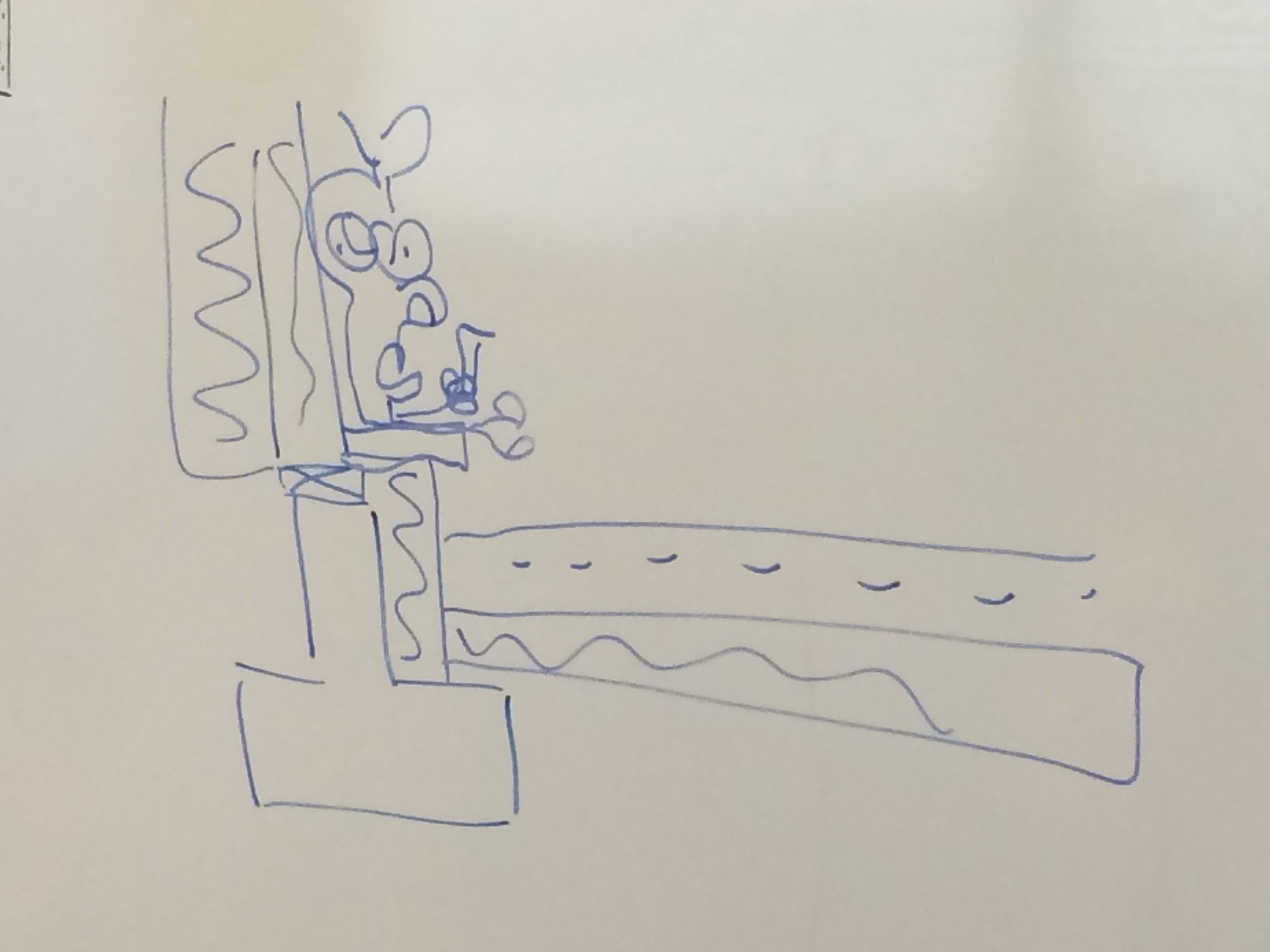
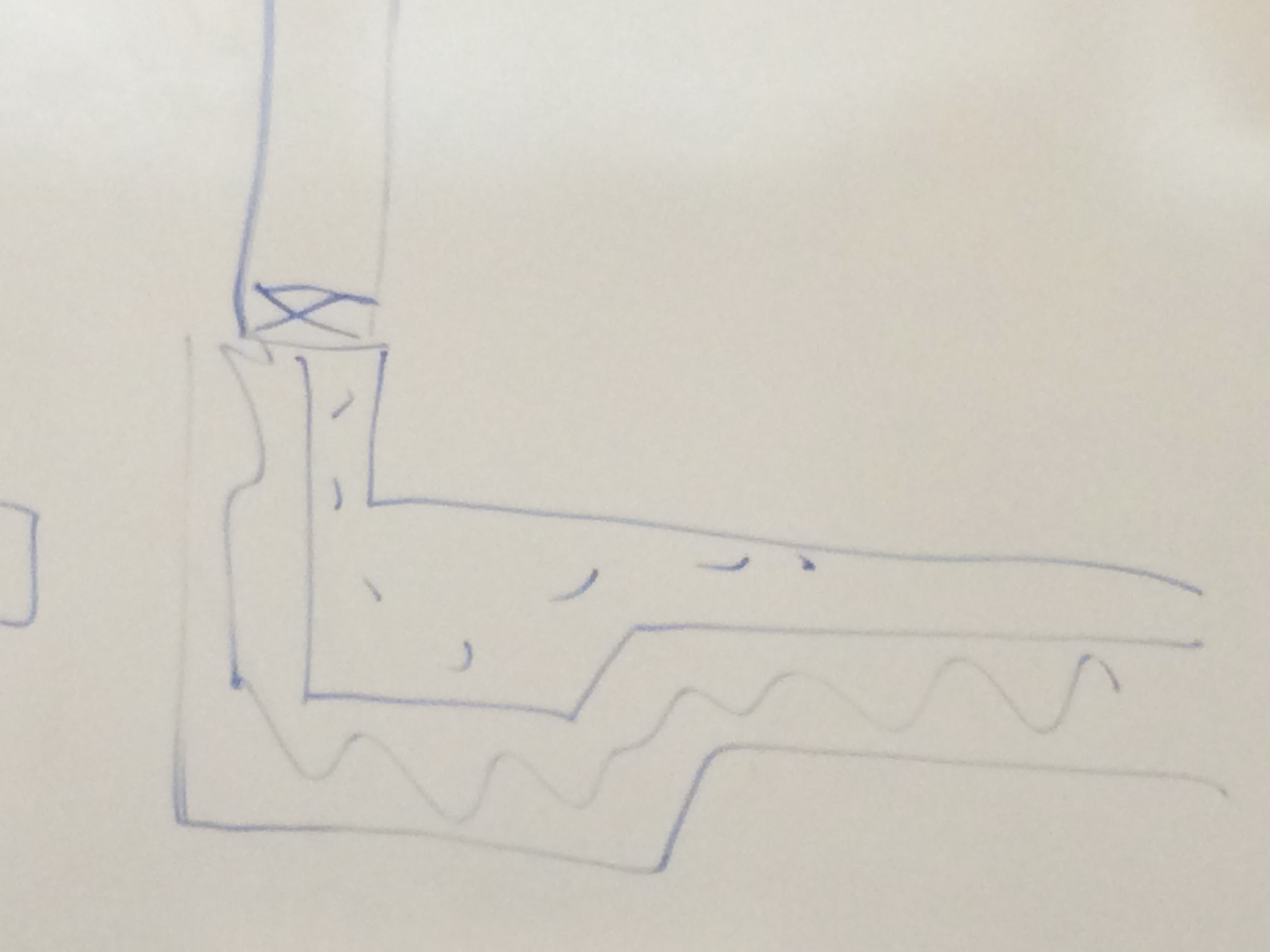
  1. Foundations: We are assuming that we will rebuild the foundation of the existing house after it is lifted and we are thinking of using a similar approach for both houses – a slab on grade with traditional footings and insulation stuck between, like this (squiggly lines are insulation):Foundation Sketch - proposedThis approach will save cost compared to doing something like this, where we’d have to insulate under the footings:Foundation Option
  2. Blasting? Yes, hitting bedrock is a real possibility in our location. It actually makes me wonder if that is the reason the existing house is tucked off to the north side of the property. We will do some exploratory digging later on to get a better idea. Mark B suggested including a budget of $5,000-$10,000 just in case.
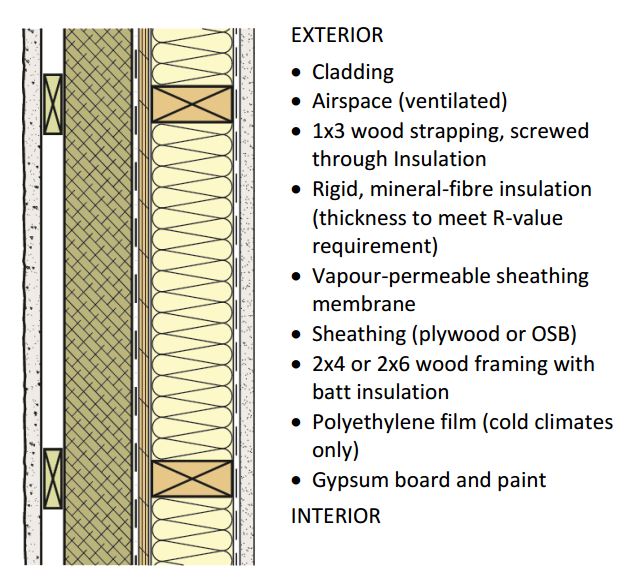
  3. Exterior Walls: We will take the existing house walls down to studs and apply a similar approach to both new and existing: taped plywood sheathing + weather resistive barrier like SIGA Majvest (which Mark B says is cost competitive and easier to work with than Tyvek) or other weather resistive barrier + rockwool + strapping + cladding, similar to this:

    Source: Guide for Designing Energy Efficient Building Enclosures

    Source: Guide for Designing Energy Efficient Building Enclosures

  4. Roof: Mark B advised sticking with interior attic insulation given the cost of exterior insulating the roof, even though I like the conceptual simplicity of exterior insulation. The detailing for transitioning the air barrier and insulation from the exterior to interior is straightforward. We need to poke our heads into the attic space of our existing house to better understand our existing condition.
  5. Windows: We are assuming triple pane. The material is to be determined, but we will aim to carry budget for high performing wood windows and we can always downgrade from there. Our preference would be for wood or fiberglass windows. We’d like to avoid products containing PVC, and I’ve heard mixed results about the long-term performance of reinforced vinyl products. If we do go for Passive House certification, our window options are more limited, since we have to select certified products. Mark B said that Optiwin windows from Germany have proven to be the most reliable and cost competitive certified products despite shipping from Europe. He suggested a budget of $60-70/sq.ft. for windows.

Systems:

We will install all-electric systems for both houses, using a high-efficiency heat recovery ventilator (HRV) for ventilation + solar PV + some form of electric supplementary heat, to be determined based on our modeled heating loads. I am also curious about the new Tesla house battery, although BC Hydro’s net-metering rate (the price at which they will buy energy from us) for site generated electricity is actually very good ($0.0999/kWh)*, and may make energy storage unnecessary at least in the near term.

*Our current Step 1 rate (for consumption up to 1376 kWh) is $0.0797/kWh and the Step 2 rate is $0.1195/kWh. If we can stay under the Step 1 threshold (entirely feasible in a low energy house), we can actually net a profit if we generate more than we consume.

Lighting will be all LED, both houses. Other systems, like domestic hot water and possibly grey water re-use are to be determined.

Parking:

Parking is always a hot topic that gets way more attention than it deserves. If we didn’t have so many cars, we wouldn’t have so much trouble finding places to put them and it just wouldn’t be such a big deal.

Alas, we’re not there yet – we are here. “Here” is a zoning requirement to provide one off-street parking spot per single family dwelling. The rental suite does not require an additional off-street spot, thankfully.

We started out with parking in the front because the lot width is tight. Then we moved it to the back with a shared driveway because I figured people walking by our house would not want to see cars parked in front.

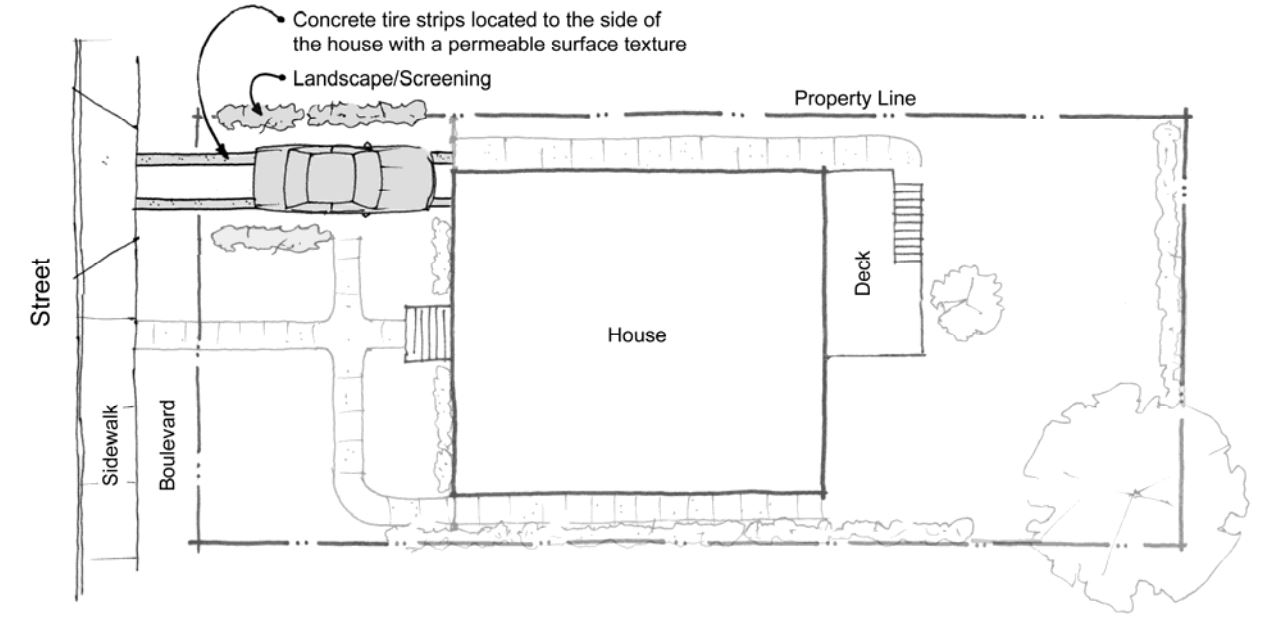
Turns out that our neighbourhood has an entirely different approach to parking. The R1-G zoning that governs typical single family home developments has evolved to allow parking in the front; the idea being that having a couple of well-placed permeable parking strips in the front of the house means that parking is provided off the street while consuming the least amount of green space. Providing parking in the rear means a long driveway, turnaround space, and cars idling in the back yard.

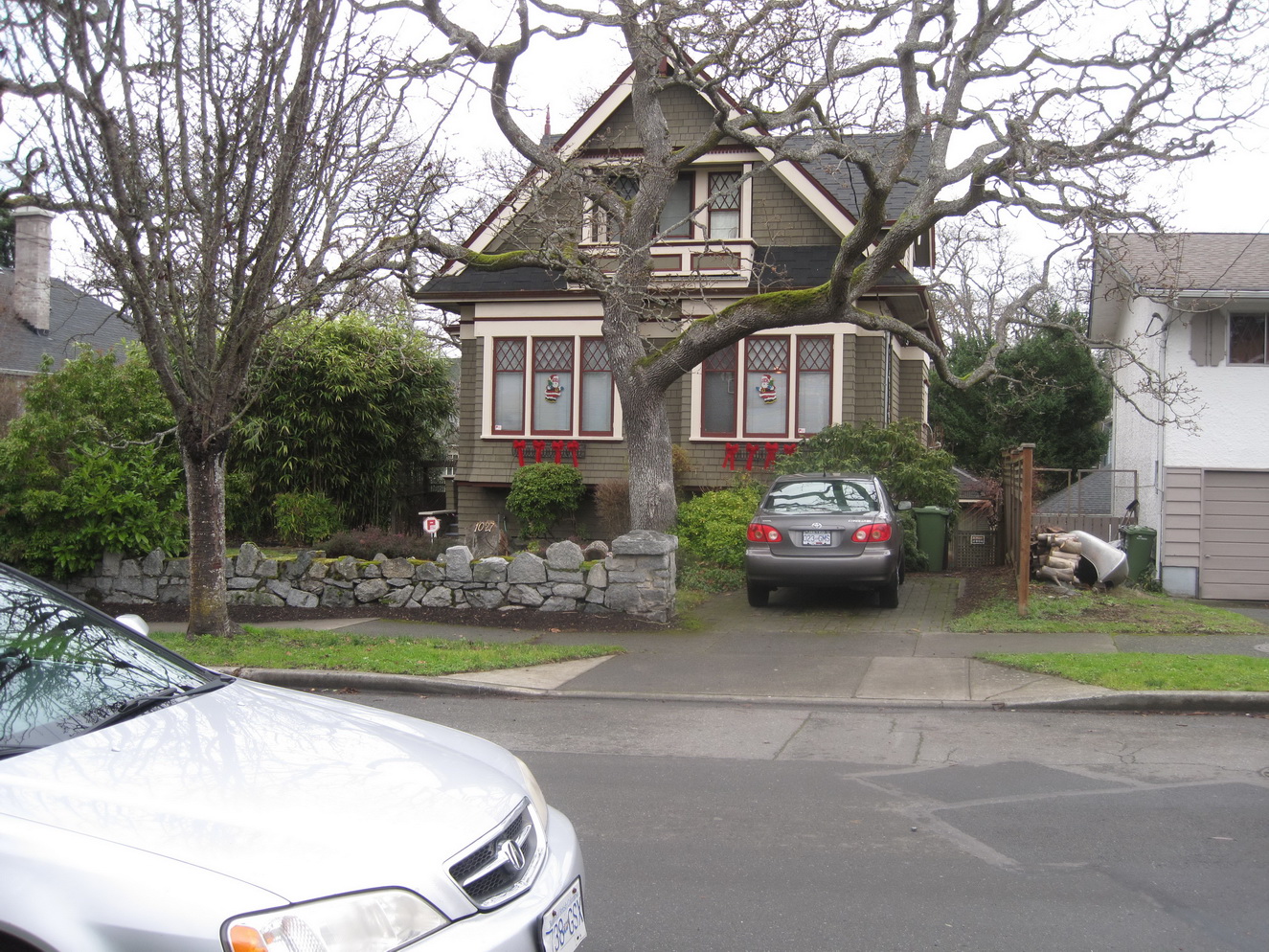
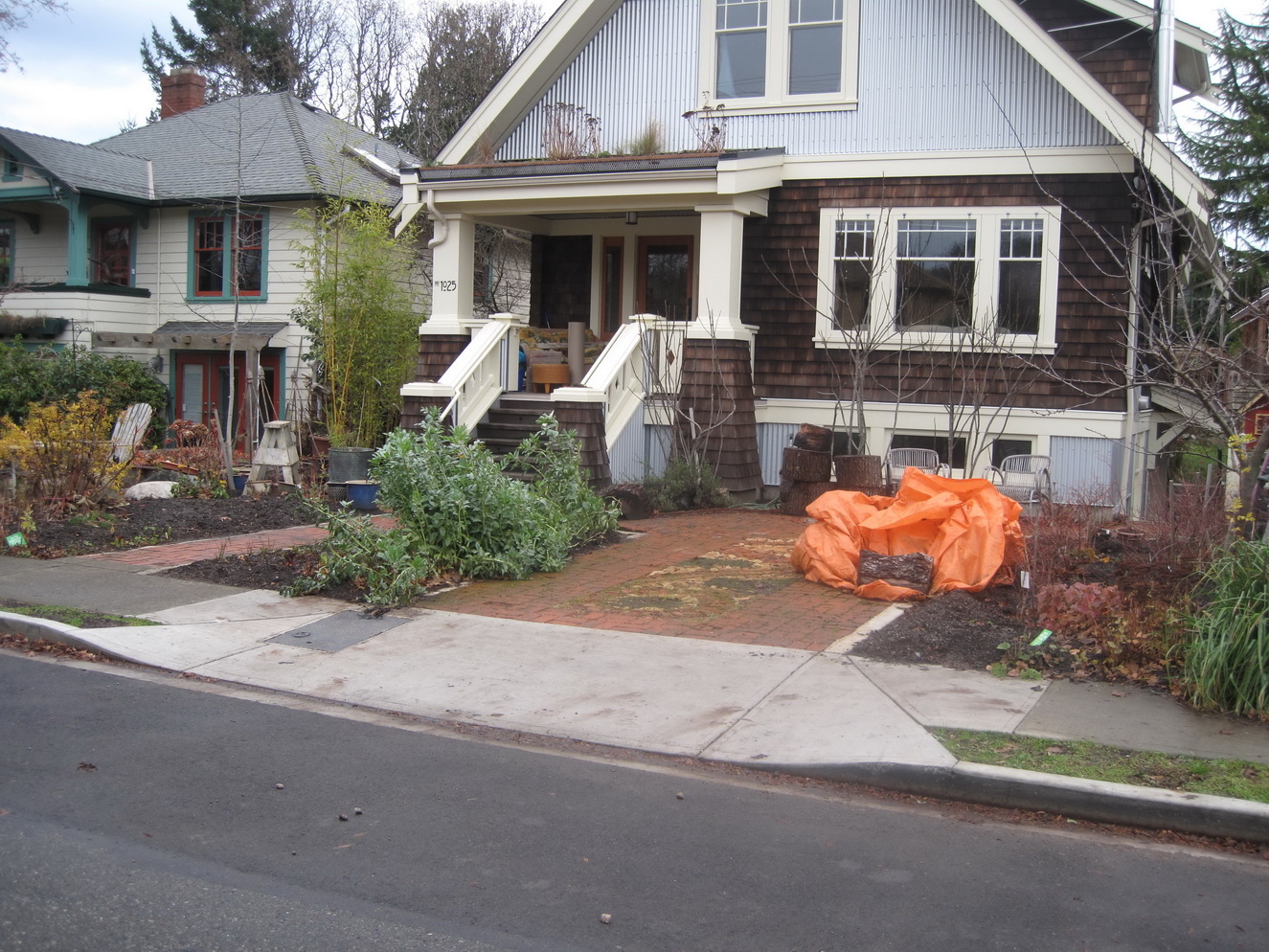
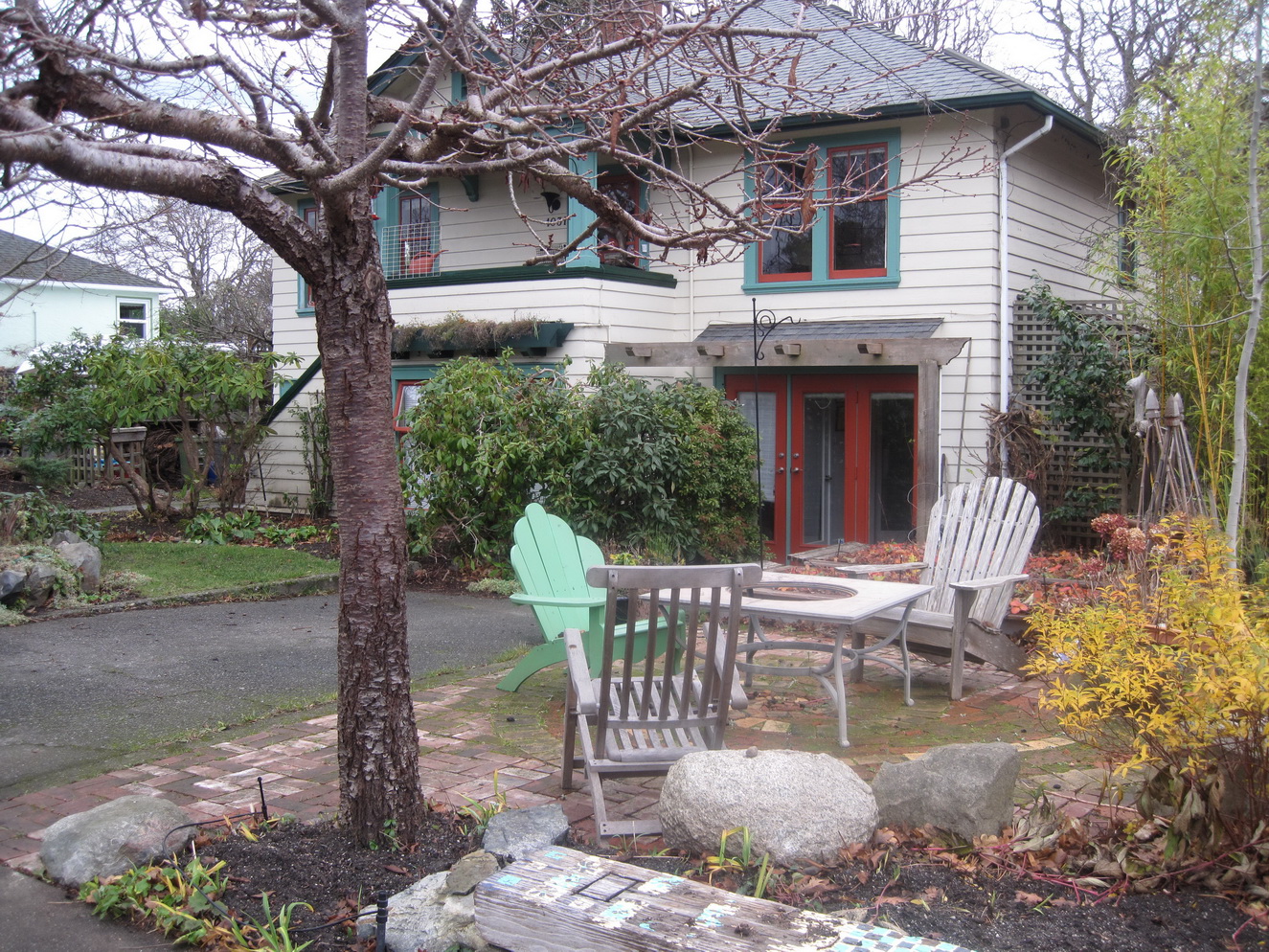
Here’s a snapshot from the parking guidelines, along with a few photos of front yard parking in the neighbourhood:R1G front yard parking

IMG_6206_2

Neighbourhood example of front of house parking

IMG_6208_2

An example with creative application of permeable pavers

Neighbhourhood example of front yard parking area. This one has a patio that appears to straddle the property line with its neighbour. A nice human-scale touch.

This one has a patio that straddles the property line with its neighbour; a nice human-scale touch


Our neighbor several doors down on Clare St enlightened me of this approach and it makes a lot of sense. The back yards that share a fence between Clare and Chamberlain Streets are all green space. There is not a single car parked behind a house. The effect is of a large park space as far as birds are concerned. Many of the yards even have gates between them, encouraging outdoor exploration and connection for humans too.

So we’re back to the front yard. The compromise is that we will be proposing two driveways in order to break up the parking for the two houses, whereas with the shared drive aisle to the back yard, we had only one driveway. But I think on balance this is a better approach.

Landscape + Storm Water Design:

Mark A, Kate, Matt and I discussed the landscape design onsite after our charrette. Being onsite allowed us consider the design within the context of neighbouring properties and sight lines.

This is what we want the landscape design to do:

  • Encourage/facilitate connection with outdoors
  • Enhance privacy between connecting properties at the rear of the houses, particularly with respect to window sight lines
  • Include playful natural features for kids (small hills etc)
  • Include rain gardens to slow storm water flow
  • Create a back yard oasis
  • Include a tree retention + tree management plan – this is required for the rezoning package. We will also ask the arborist to advise on the large gary oak tree next door, whose branches and drip line overlap the proposed new house.
  • Use permeable driving strip/parking pads

Accessory buildings:

Matt’s workshop behind the existing house will be~12×18, with single phase power and decent insulation, but less than the main house.

For the new house, we will plan for an accessory building for additional storage given compact floor plan. It does not need power, but could provide electrical conduit for future. Insulation will be the same as Matt’s workshop.

Energy modeling:

I will do the energy model for the existing house; Mark A will do the new house. If we do seek Passive House certification, we can each obtain our “Certified Passive House Designer” designation having been the prime modeler and Passive House designer for one of the houses.

Existing house elements to retain to the extent possible:

  • Hardwood floors
  • Most exterior and interior framing
  • Solid wood doors
  • (Wonderfully long) clawfoot tub (add separate shower)
  • Farmhouse sink (kitchen)
  • Several interior walls (remove lathe + plaster)

Schedule:

We’re aiming to get the rezoning application submitted in February 2016, which is tight given that we have to present to the community association and collect signatures before that. If we can get it in by February, though, it is conceivable that we will have a building permit by the summer. Mark B advised that if he can start construction by early August at the latest, he can get the roof up before the rainy season (which for us is October-December). If we don’t get the permits by then, he advised waiting to start until the following January or February when the clouds lift again.

Sequencing of new and existing house construction: Ideally, we can complete both projects concurrently. It will be more efficient to pour the foundations at the same time, for example, since the main cost is getting the equipment on site. However, the sequencing will also depend on how our financing comes together and whether we need to move the existing house to register the new subdivision. If it costs us more to finance the project doing it all at once than we save through construction efficiencies, it will make more sense to do the new build first and then finance the renovation from the sale of the new house.


Filed Under: Design, Featured Tagged With: design, enclosure, energy modeling, foundations, parking, performance, roof, schedule, systems, walls

The Radius of Neighbhourhood Consultation

October 31, 2015 by clove Leave a Comment

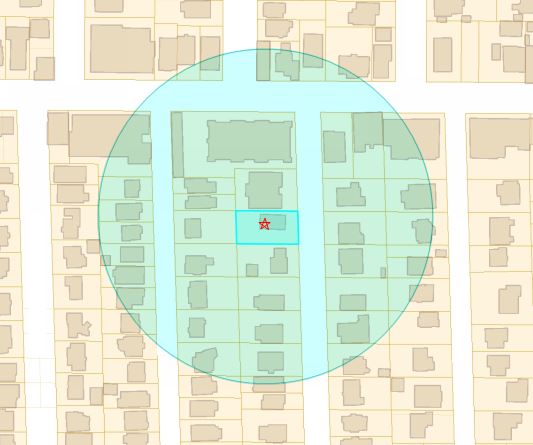
When our design is essentially complete, we will apply to present our project to a meeting of the Gonzales Neighbhourhood Community Association Land Use Committee (CALUC). The city mails notices of the meeting to all residents within a 100m radius of our property.

Here’s what that radius looks like (our house is the starred one in the middle):

notification radius for community mtg

The job of the CALUC is to record the general sentiment and specific comments of both the committee and any neighbhours in attendance. They submit these comments to the city and they are considered during the evaluation of our application.

As part of our application – and ideally before the CALUC meeting, we also have to petition all voting-age owners and renters of all properties sharing a property line or with a property line within 10m of ours. The properties outlined in red within the 100m radius shown in the image are the ones we are required to petition:

 signature radius for petition

The petition asks residents to indicate whether “I support the application” or “I am opposed to the application” and includes a space for comments. We tally up the “yeses” and the neutral non-responders and these have to represent a minimum of 75% of the total petitioned.

So my goal is to knock on as many of these doors as possible while we are still developing the design and can incorporate feedback.

Filed Under: Featured, Rezoning Tagged With: community engagement, neighbourhood engagement, rezoning

Getting (Back) to the Basics

September 11, 2015 by clove 2 Comments

May 1_15_view of north side setback_MA

Current side yard setback with townhouse to the north

Our architect Mark A and I had our heads down for a while fiddling with house placement, window placement and property line locations to somehow wrestle our two houses (new + old) into existing R1-G2 small lot zoning allowances. We were doing weird things like removing all windows from the new house’s north face and sliding the property line to the very edge of the new house. The existing house simply doesn’t fit and I knew that, but even still, I started to despair that we were wanting to do too much with our lot and it was never going to fly.

So I lifted my head and sought an infusion of fresh perspective from our planing guru Ian Scott.

We met for coffee and went through the current plans. Ian offered some reassuring words that restored my confidence in our project; a key one being that window placement variances are commonly sought and granted for small lot properties, especially on the two facing walls of the subject homes. Mark A and I were fretting about the zoning requirement of 8’ (2.4 m) minimum setback to the property line to have windows in main living spaces like bedrooms. To meet this and keep a few windows on the south face of the existing house, we shifted the property line between the houses so far south that the new house’s lot became too small to meet the R1-G2 lot size requirement.

So, here are my key lessons from Ian:

  • Changes to lot size trigger rezoning
  • Window placement that varies from zoning requirements is a variance (i.e. not triggering rezoning, which is preferred wherever possible)
  • Setbacks that vary from zoning requirements are variances
  • Lot frontage that varies from zoning requirements is a variance
  • Site coverage that varies from zoning requirements is a variance

Ian’s suggestions made everything simple again:

  • Place windows strategically to protect privacy and apply for variances
  • Move the property line between the houses back to the middle of the shared driveway so that the lot sizes for both properties meet R1-G2 requirements.
  • The new house will apply for R1-G2 zoning with variances
  • The existing house will apply for a custom zone on the basis that we are adding a suite
  • Lot coverage for the existing house will also be a variance, on the basis that we are dealing with an existing building form.

Ian also helped me return to the key elements that define the project and that will communicate our intent and the project’s benefits to the neighbourhood, the community association, and ultimately, city staff and council.

Here’s how they’re shaping up:

  1. The lot is large enough to support two small lot homes, per the R1-G2 Zone Gonzales Small Lot District. This zoning was developed based on the Gonzales Neighbourhood Community Plan established in 2002.
  2. The proposed development supports several goals of the City’s Official Community Plan (OCP) by:
    • adding “gentle” density while respecting the single family character of the neighbhourhood
    • reducing energy consumption and carbon emissions through the creation of high performing but modestly sized housing options in a popular, walkable location for families
    • modifying the existing home to facilitate multi-generational living and aging in place
  3. The addition of the new ultra low energy home will finance extensive energy upgrades to the existing air leaky home and as a package, therefore, provide multiple benefits to the community in a way that retains and restores existing neighbourhood character.
  4. The shared driveway allows retention of the existing street tree and power pole, and will preserve the current level of available street parking.
  5. Retaining and improving the existing house conserves materials and preserves the basic shape and character of the home while significantly improving its comfort, energy performance, and useful life.

See this post for a more detailed rundown of key elements of the City’s OCP as it relates to our project.

Filed Under: Design, Featured, Rezoning Tagged With: design, rezoning, small lot subdivision

Passive House, Net Zero, or just a Pretty Good House?

August 16, 2015 by clove 2 Comments

Enerphit logoHere’s the lowdown on our current favourite approaches to achieve our project’s energy performance goals. We’re more interested in the principles than checking boxes or getting a plaque, and want to pick and choose what will work best for us. (And yes, there are other important goals like low water consumption, healthy and local materials, and creating something beautiful, but today we’re talking energy.)

  1. Passive House
  2. Net Zero House
  3. Pretty Good House

Passive House:

The Passive House standard has 3 key performance requirements:

  • Annual heating demand <= 15 kWh/M2/year. This is a 70-90% reduction over what most houses use for heating.
  • Total primary energy demand <= 120 kWh/M2/year (this is a measure of total energy consumption, including the energy required to generate and transport the energy from the source, using a single source energy factor for all of North America)
  • Air tightness, as Air Changes per Hour (ACH) <= 0.6 ACH50, as measured by a blower door test. This is about 4 times more airtight than a typical new house.

Here’s a snappy video that explains the fundamentals of the Passive House approach:

The basic concept of the Passive House standard is to focus first on the structure itself: highly insulated foundation, exterior walls, roof; airtight enclosure, and high performing windows – and then supplement with mechanical heating and/or cooling systems. So we reduce demand as much as possible first before looking at efficient ways to provide the remaining energy we need. Mechanical ventilation is also required to maintain air quality.

The requirements are performance based (focused on the end result rather than prescribing certain systems or building elements), but they do lead us to certain choices that we must make in order to meet the requirements, such as triple pane windows, very high performing heat recovery ventilators (HRVs), and thermal bridge-free construction. Equipment and windows must also be tested specifically to Passive House specifications, which can limit the available choices of certain products like HRVs.

Passive House does not require site-generated renewable energy, although it does provide a credit toward primary energy demand for on-site solar PV.

Passive House performance is modeled using PHPP, which is a giant spreadsheet that does a lot of backend calculating based on heat loss, heat gains, and local monthly average climate data.

For smaller buildings like ours, we will have difficulty meeting the standard without good unobstructed southern orientation (although there are a couple of new certification options that offer some hope – post to come). The south side yard is especially challenging because butting up against our desire to maximize south-facing windows are perfectly reasonable zoning requirements intended to protect the privacy of our neighbhours. Depending on the distance of the house to the property line, we are limited in the amount of glazing and the rooms in which we can have glazing facing the side yard.

What we do have going for us is a simple shape: both houses will basically be rectangles, which makes the detailing for no thermal bridging and a continuous air barrier much simpler (the less corners the better).

Regardless of whether we meet or seek official Passive House certification, I think the passive approach is common sense for any building anywhere, and this will form the foundation of our design approach.

Net Zero

Net zero energy means that, on an annual average basis, our project produces as much energy as we consume. Net zero carbon emissions means that we either purchase carbon offsets, or we avoid the use of fossil fuel based energy.

Can we produce on-site as much energy as we consume in a year? This will depend on three key things: the design of our enclosure to minimize energy loads, our behaviour as energy consumers, and the amount of solar PV capacity we can fit on the roof. In our case, BC Hydro allows net metering, so we can feed excess generated energy back into the grid, and draw it from the grid when we are in deficit.

Passive House does not require the use of on-site renewable energy, but it makes net zero energy consumption viable because it significantly reduces demand.

We’ll have to do some modeling to look at the solar potential of our roof in our specific location, as well as take a stab at estimating our energy demand to get a better sense of where we’re at.

I think this is a goal worth shooting for. We will design for an all-electric project with solar PV, since BC produces much of its electricity using “carbon-neutral” hydro electricity.

The Pretty Good House

The Pretty Good House is not so much a standard as a practical discussion happening on Green Building Advisor. It’s about making realistic choices based on the best bang for your buck in your climate, and still, by the way, ending up with something way better than code minimum. So not going quite as far as Passive House, but, say, 80% of the way there.

We’ve also seen a big variation in the actual energy consumption of certified Passive Houses, which reminds us of the critical importance of occupant behaviour. How does the impact of behaviour compare with the impact of a well designed home?

I like the Pretty Good House approach – and I would argue that it can lead us to a Really Good House – but it does require a sound understanding of the fundamentals. This is why programs like Passive House are great, because they work as learning tools.

So in summary, we will be applying passive house principles, striving for net zero energy consumption, and hopefully ending up with a couple of Really Good Houses. I am fortunate to work with a bunch of building science geniuses at RDH, who will help us get the details right.

Our project gives us a unique opportunity to compare an existing house retrofit to a new build on the same site, which is very exciting. There is also a new, slightly relaxed Passive House standard that was just released, designed for small houses on constrained lots like ours, so that might prove a viable option for us.

We will document our before and after energy consumption and share the results here. Stay tuned!

Filed Under: Featured, Performance Tagged With: energy consumption, net zero, passive house, performance, ultra low energy

Closing Day!

July 2, 2015 by clove 2 Comments

I just got back from checking out our new house. We got the keys today and I rode over in the evening to assess the general condition and offensiveness of the cigarette smell. We are moving in two weeks, and this will be our home until we design and get approval for our project. We had previously thought that we would rent out the house in the short term, but that presented a number of complications that we weren’t comfortable with (see this post for more), and ultimately, we wanted to spend some time living in and getting to know our new house, our neighbours and our  neighbourhood.

With this in mind, we needed to assess the bare minimum amount of work we needed to do in order to be reasonably comfortable for the next year or so, and to prioritize what two working parents who had barely started packing could accomplish in two short weeks.

Apart from a large pile of questionably recyclable junk left on the curb; overflowing garbage bins with additional bags piled on top- opened and picked through by birds and raccoons, and a bunch of paint and solvent cans left in the basement, the place was reasonably cleared out.

Take the tour:

The smoke smell upstairs was oppressive and made me feel instantly coated in a layer of filth. I set about opening windows, only to discover that many of them were either inoperable or painted shut. All original single pane wood windows, the windows that did open had no locking mechanism to leave them open securely.

I opened all of the doors to increase airflow. Most of them were in poor condition. I had to wiggle the locks and yank the handles around to release the locks and push them open. The old drive-under garage doors have a gaping hole between them. I can almost feel that winter breeze blowing through.

There’s a finished room in the basement, whose carpet is clean but has an old vacuum/wet dog smell to it, and there’s some stained carpet covering some of the unfinished basement areas that’s a stink generator and must be removed.

There’s a window in the upstairs bathroom that is rotting out, and the single sheet of glass has separated from the edge on two sides.

Why didn’t we get an inspection done again?

Filed Under: Featured, Finding Land

Learning from the Experts

June 26, 2015 by clove Leave a Comment

I met with Rus Collins of Zebra Design today. He a pioneer of small lot development in Victoria and spent a generous chunk of his Friday afternoon with me sharing his words of wisdom. He confirmed that I am on the right path by pursuing the subdivision option, as well as my plan to talk to the neighbhours early. He said that if I experience intense resistance in my early conversations, it might be best to cut our losses or wait a year before floating the idea again.

Here’s the process according to Rus (with some editorial added):

  1. Do a very simple sketch or two of what we are proposing. Spend as little time and money as possible at this stage, because you won’t get this money back if the project dies.
  2. Talk to our neighbhours with these early sketches to get a general sense for their openness to the project. While not required at this stage, it’s good to keep in mind that for the rezoning application in the City of Victoria, we will need signatures from 75% of our immediate neighbhours (anyone with a property line that is adjacent to ours at any point – across, beside and behind) confirming that they do not object to our plan. All adults of voting age count – so a couple living next door count as two votes. Renters and owners of a rental property all count as unique votes.
  3. Talk to the local area city planner. Present the sketches and our proposed variances from the zoning we intend to apply for, as well as the early neighbour reactions. If she doesn’t raise any red flags, proceed with design.
  4. Before launching into the full design, I recommend reviewing the Rezoning and/or Development Permit Application in detail, so you know what drawings need to be included in the package and what consultants you need on board. For Victoria, we need the following at a minimum:
    1. Site plan (i.e. civil engineer)
    2. Landscape plan (i.e. landscape architect or designer. Note a licensed architect is not required for a small project like our, but we’re using one, and it can help with the permitting process for anything ‘unusual’ like super-insulated walls)
    3. Floor plans (i.e. architect or designer; also a structural engineer for modifications to the existing house)
    4. Elevations
    5. Photos or illustrations showing proposal with flanking buildings
  5. Complete the full design.
  6. Review again with the city planner (recommended by Rus to avoid being blindsided after getting neighbourhood approval and having to redesign and go back to the community again).
  7. Present to the neighbhourhood association, in our case the Fairfield Community Association’s Advisory Design Committee. This process is also outlined in the rezoning application package document.
  8. Collect the 75% signatures.
  9. Complete and submit the rezoning and/or development permit application package, complete with application fee.

Rus felt the potential sticking point for our proposal was adding the suite to the existing house, given that it will become a small lot house. Current zoning does not allow for suites in small lot houses, and it’s often the addition of a suite that inflames the resistance of neighbhours. Most builders/owners will quietly add a suite later, and a quick survey of our block suggests that nearly every house on our block has some form of suite. It’s a reality of the local market that we both need rental accommodation and that many families need the additional income to afford their mortgages.

I would prefer to be above board in our application and advocate for the suite. If done well, it is a viable way to introduce a small increase in density to single family residential areas in the urban core. Our pitch is that we are creating housing for 2.5 families that uses less energy than the existing single family home on the property. I know that our current mayor Lisa Helps is open to making innovative projects happen and has been openly supportive of the North Park Passive House.

The existing but renovated house will create a transitional density between the adjacent townhouse to the north (FSR > 1.0) and the single family homes to the south (FSR = 0.5). The R1-G2 Small Lot Gonzales zoning allows for FSR = 0.55, which we can do for the new house. The existing house with suite will be less than 0.5. For the existing house, the basement area does not count toward the FSR calculation provided the bottom of the finished ceiling remains equal or less than 1.2 m above the average grade.

Rus thought we might be successful if we have a strong pitch (see Talking Points post). Overall, I left my meeting with Rus feeling optimistic about our chances. It’s also great to know that Rus is a potential resource-for-hire if we encounter difficulties getting through the rezoning process.

Filed Under: Featured, Rezoning Tagged With: rezoning, small lot subdivision

  • « Previous Page
  • 1
  • …
  • 4
  • 5
  • 6
  • 7
  • Next Page »

Who is Stretch Developer?

Stretch Developer is written by Christy Love. In partnership with my husband Matt, we are challenging ourselves to create the kind of homes we want to live in and see more of in our community. Home is the incredible Victoria, BC, Canada.

Sign up!

Sign up to receive email notifications of new posts.

Recent Posts

  • New Uses for Old Wood Part 2 September 26, 2021
  • Ongoing Preparations for the Apocalypse August 13, 2021
  • Things We’ve Noticed – Energy Edition May 29, 2021
  • Passive House Suite for Rent April 17, 2021
  • Things We’ve Noticed – Comfort Edition March 14, 2021

Blogs We Like

Green Building Advisor Blogs

Musings of an Energy Nerd

Treehugger

Talk to ARYZE

Recent Posts

  • New Uses for Old Wood Part 2
  • Ongoing Preparations for the Apocalypse
  • Things We’ve Noticed – Energy Edition
  • Passive House Suite for Rent
  • Things We’ve Noticed – Comfort Edition
  • New Uses for Old Wood Part 1

Tags

budget building permit cabinet construction climate action climate change community engagement construction deep energy retrofit design design progress development permit duplex duplex + suite energy consumption energy efficient design financing financing passive house finding land food security home inspections infill low energy design neighbourhood engagement net zero passive house Passive House comfort Passive House construction Passive House construction costs passive house for sale Passive House performance Passive House performance; Sanden CO2 heat pump Passive House rental Passive House systems passive house testing performance pro forma property search tips reclaimed wood reclaimed wood construction rezoning roof row house small lot development small lot subdivision ultra low energy

Copyright © 2026 · Metro Pro Theme on Genesis Framework · WordPress · Log in


Loading Comments...