Stretch Developer

Taking urban development into our own hands

  • Home
  • About
  • The Project
    • Finding a Property
    • Design
    • Approvals
    • Financing
    • Construction
    • Performance
  • Blog
  • Contact
  • Rental Suite

How Much We’ve Spent So Far

December 8, 2017 by clove 4 Comments

We have arrived at our first moment of financial reckoning. I’d budgeted $30,000 of self-financed work to get us through rezoning.

Here’s what we’ve actually spent:

  • Building & Landscape Design: $14,000. This includes two early concepts and a redesign; a full set of architectural drawings suitable for rezoning, plus Landscape Plan.
  • City Fees and Associated Costs: $4,500. This includes the rezoning application fee, the public hearing fee, plus a lot of printing – $787 worth of paper and signage! Forgive us, trees.
  • Site Survey: $1,350. Required for the application, as well as for our architect Mark A to create the Site Plan
  • Tree Preservation Plan: $500. Required for the application, completed by an arborist.
  • Existing House Stuff: $1,900. Includes hazardous materials survey so we don’t unwittingly poison anyone, plus a fee to get rid of our above-ground oil tank. Good riddance!

Total spent through approval of rezoning = $22,500

So, we are currently under budget for the items I had accounted for – woo, party!

Hold the phone, don’t send the invitations out just yet. There are a few asterisks and things I plain neglected in that innocent early budget.

The biggest of my omissions is the Building Permit fee at 1.25% of the construction budget. I’d thought somehow that this fee would be much smaller. Russ our builder is working on the budget as I type, but with my current, ever-escalating working number, we are looking at $11,000-$12,000. Half is due when we apply for our permit and the other half is due when we pick it up.

A few others:

  • Landscape Deposit – this one was a surprise. It’s required of any project that needs a Development Permit (determined based on location of the project from what I understand), and is equivalent to 120% of your landscape budget. Ouch. It’s a way for the City to ensure we follow through and finish up the landscaping. We’ll get the deposit back, but it hurts to have to come up with this at the front end.
  • Design package for Building Permit. The design drawings need to be fleshed out in more detail for our Building Permit application and for construction.
  • Builder Deposit. This goes toward actual construction costs, and provides assurance to Russ before he starts ordering stuff for our project. A reasonable expectation, but something that must be planned for.

For the sake of completeness, there are also some items that I handled myself but would have a real cost if we hired someone else to do them:

  • My general project development time, which I did not record consistently enough to provide a meaningful total (perhaps better not to know?). Let’s just say a lot of hours – planning the concept, coordinating with the team, consulting with neighbours, coordinating with the city, putting together presentations etc.
  • Passive House modeling costs. So far, I’ve spent 45 hours on the model. This includes a fair chunk of learning time, reworking, and remembering what I’d done when I put the model aside and came back to it several months later. The model still needs to be updated before we start construction, again after we change anything significant, and then finalized after construction is complete. As the project Passive House Consultant, I will also need to document the construction to show that we built what we modeled. Actual certification requires that we hire someone independent who is qualified, and we’re expecting to spend $5,000 for this piece.

So, overall we are doing OK budget-wise. We are not completely blowing the budget, but I missed a couple of key items in my first pass. This is nothing if not a learning process after all!

We’re working on financing now, so we hope to answer very soon whether this is all going to fly – stay tuned and thanks for reading!
Filed Under: Financing Tagged With: budget, financing, infill, passive house

It’s Unanimous!

November 17, 2017 by clove Leave a Comment

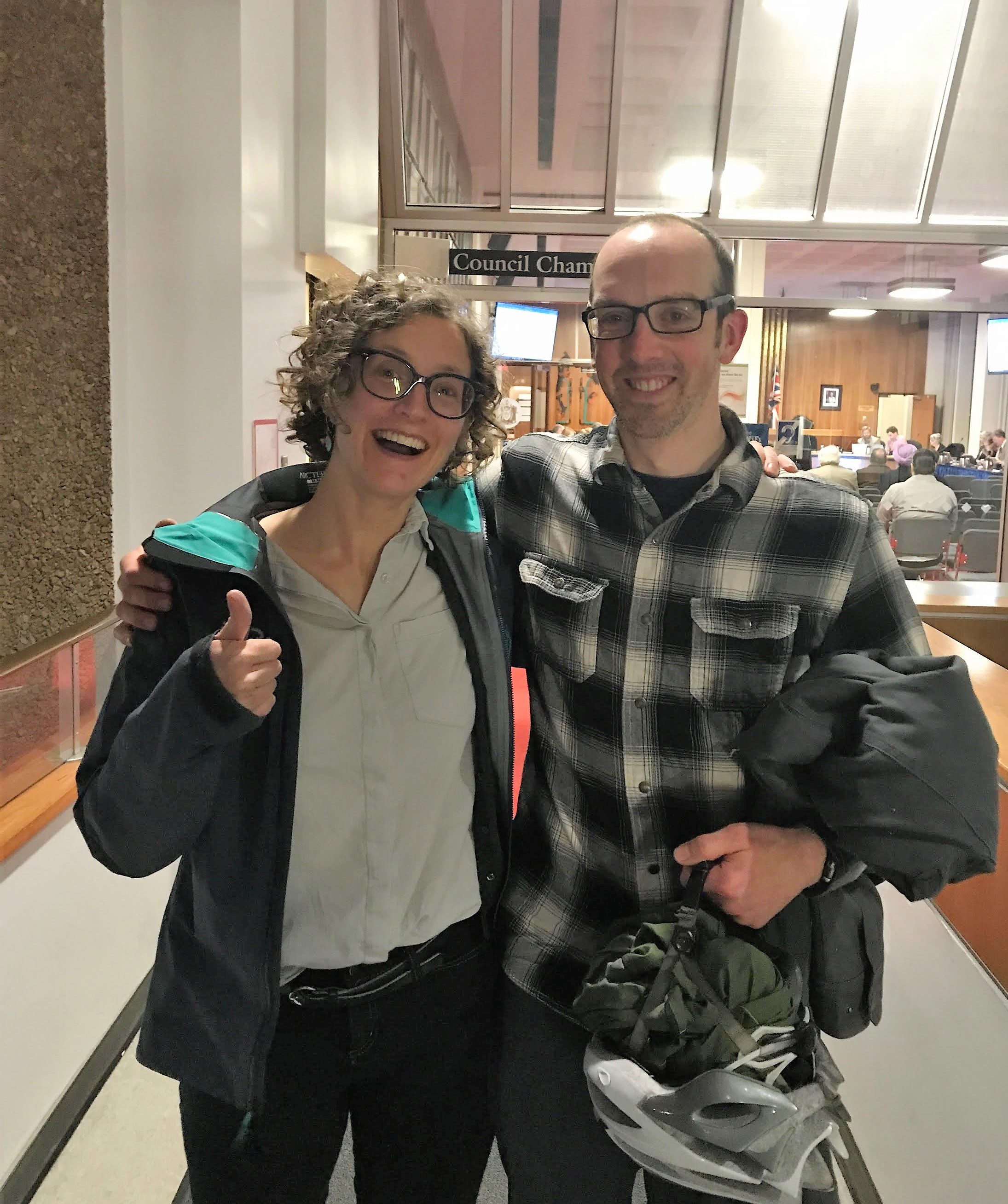
Matt and I outside Council Chambers post-public hearing

In my preparation for our public hearing, I replayed the cautionary voices of others who have done this before: ‘There is always someone who hates your project no matter what you do!‘ Or: ‘Sometimes you’ll go into the public hearing thinking you have community support only to be blindsided by a mutiny!’

My best case mental visualization of the event was that we would have enough positive voices to ring out over the negative ones. I sent invitations to everyone who had expressed support or interest throughout the process. A couple of neighbours said they would come, and a couple of others said they would write a letter. Otherwise, it felt (strangely?) quiet on our block in the days leading up to the hearing.

Here’s how it went down:

We were 3rd on the agenda of rezoning/development permit applications, and somewhere around 10th on the overall agenda, which meant we were called up at 8:45, over 2 hours into the evening’s proceedings. The public area of Council Chambers was full of people early on, and with each item that was ticked off the list, more and more people filtered out. A small group of our neighbours and friends were still among us, along with some people who were waiting for the agenda items after ours.

A member of City staff introduced the project and what was being proposed for Council consideration. I was then called up to the podium with a (strictly enforced!) maximum 15-minute window to present whatever we thought relevant to Council and the public. Using a pre-loaded presentation, I introduced our project goals and talked about our design choices, materials, and rationale. I described how the project fit into the Official Community Plan and the Gonzales Neighbourhood Plan. I summarized the consultation process and how it influenced the design. I concluded by expressing our appreciation for everyone who provided engaged input and ultimately made our project better.

Council then asked a couple of clarifying questions, then opened the floor to anyone who wished to speak for a (strictly enforced!) maximum of 5 minutes. Five neighbours spoke in support and none spoke against.

Every neighbour spoke so eloquently about their personal stories as they related to our project. One spoke about how the character of our community is not just about what the houses look like, but about the individuals who live here and make it their own. Another spoke about having lived on the block since he was 5. Another about how they’d originally lived in the townhouses next to us and then bought a house a few doors down so they could stay on the block as their family grew. This was by far my favourite part of the evening – each neighbour sharing their personal histories and experiences on the block, and their own reasons for supporting our project.

After everyone spoke, the public hearing portion closed. Council then asked a few more questions before offering their opinions on whether and why they supported prior to the final vote. All who spoke were emphatically in favour and the vote to approve our application carried unanimously.

Holy cow!

Never have I witnessed so much smiling and excitement at a public hearing! If you want to see it for yourself, you can watch it here (Nov 9, about 2h:45 in).

We owe thanks to City staff for their work moving this forward. Thank you to the City Councillors for their words of support and encouragement. And most of all, thank you to our neighbours and friends who have listened and made suggestions, shared their opinions and ultimately offered their support. We feel so fortunate to be part of such a strong, supportive, and forward-looking community.

We have some more work to do now to finalize the design prior to submitting for Building Permit. With a little luck, we will begin construction early in 2018. Thanks for reading and stay tuned!


Filed Under: Featured, Rezoning Tagged With: community engagement, infill, neighbourhood engagement, passive house, rezoning

You’re Invited!

November 3, 2017 by clove 4 Comments

Dear Readers, Friends, Neighbours,

Well here we are, finally approaching the moment when City Council will vote yes or no to our rezoning application. The rezoning is what will change the use of our property from single family to two-family + suite. If we get through this, all that is left in terms of the City’s process is to apply for the building permit to begin construction. 

First: We want to thank each of you who shared ideas for making our project better, for offering support, and even just for showing interest in what we are doing. Our project is better because of you! We have made many friends through this process and continue to be amazed by this incredible community we call home.

Second: We officially invite you all to join us at our public hearing next Thursday, November 9 at City Hall! The meeting starts at 6:30 and we are third on the agenda. The format is that we present for 10 to 15 minutes and then Council hears comments from any member of the public who wishes to speak.

If you can’t make the hearing, or speaking in public isn’t your thing, feel free to send a letter or email. These do get read and considered. Here are the City’s instructions for doing this:

For those who are unable to attend, your input can be via mail, an email to publichearings@victoria.ca, or you can drop off your written feedback at Victoria City Hall to the City Hall Ambassador located to the left of the main entrance. Correspondence should be received by 11 a.m. the day before the Council meeting.

Please note that all correspondence submitted will form part of the public record and will be published in the meeting agenda. Your address is relevant to Council’s consideration of this matter and will be included as part of the public record. If you choose to share your phone number and email address with us and wish that it not be disclosed, please let us know and we will ensure it remains confidential.

Thank you again and see you out there!


Filed Under: Featured, Rezoning Tagged With: community engagement, infill, neighbourhood engagement, passive house, rezoning, ultra low energy

Public Hearing, Here We Come

September 29, 2017 by clove 2 Comments

On one hand, this project feels like it’s taking forever (2 years and counting since we first shared our concept with our neighbours), but on the other, I’m not sure we’d be able to handle it if it moved any faster, what with the rest of life and all. We’re currently looking at a construction start of early 2018 and there’s a lot that has to happen before then!

At the Committee of the Whole meeting in August, Council voted 7 to 1 that our project was ready to go to public hearing. So mark your calendars for November 9, folks! This is the day we present to Council and the public, and anyone with an opinion is welcome to speak. After that, council weighs in and then votes yes or no to our application. If they vote yes, then we’re done with the rezoning part and can focus on getting to construction. If they vote no, it’s back to the drawing board.

Our general plan is that we be ready to submit for building permit as soon after the public hearing as possible. Once we have our building permit, we can start construction.

Here’s the “lot” that has to happen next:

  • Finish the passive house model to a point that our certifier can review it and flag anything big before we apply for our building permit.
  • Find a structural engineer to look at our renovation plans, as well as any strange lateral loads we are introducing by attaching a second house to the side of our current house. Last time I called around, half my calls went unanswered, and the other half said they were too busy to take on any more work. This input will be a requirement for our building permit.
  • Meet with Mark A (our architect) and Russ (our builder) to firm up our assemblies and talk about cost and constructability issues. The big one currently on my mind is how we will insulate a hip roof transitioning to a flat roof. We’d like to do exterior insulation, but how realistic/affordable/buildable will this be?
  • This meeting should give Russ what he needs to work up a construction budget, which we can then use to secure financing (another big looming question that I look forward to resolving very soon!).
  • Prepare for and present at the public hearing.
  • Prepare building permit drawings and apply for building permit.
  • Find a place to live during construction, pack up and move there!
  • Clear out as much of our existing house as we can before Russ takes over.

As for the rest of life, there’s work, hosting Thanksgiving dinner, celebrating our anniversary, visiting friends in Toronto, watching a few movies, hanging out with family and friends, riding bikes, sleeping, eating, reading, being healthy…no big deal, right?


Filed Under: Rezoning Tagged With: community engagement, infill, rezoning, ultra low energy

Portland Row House Tour

August 11, 2017 by clove Leave a Comment

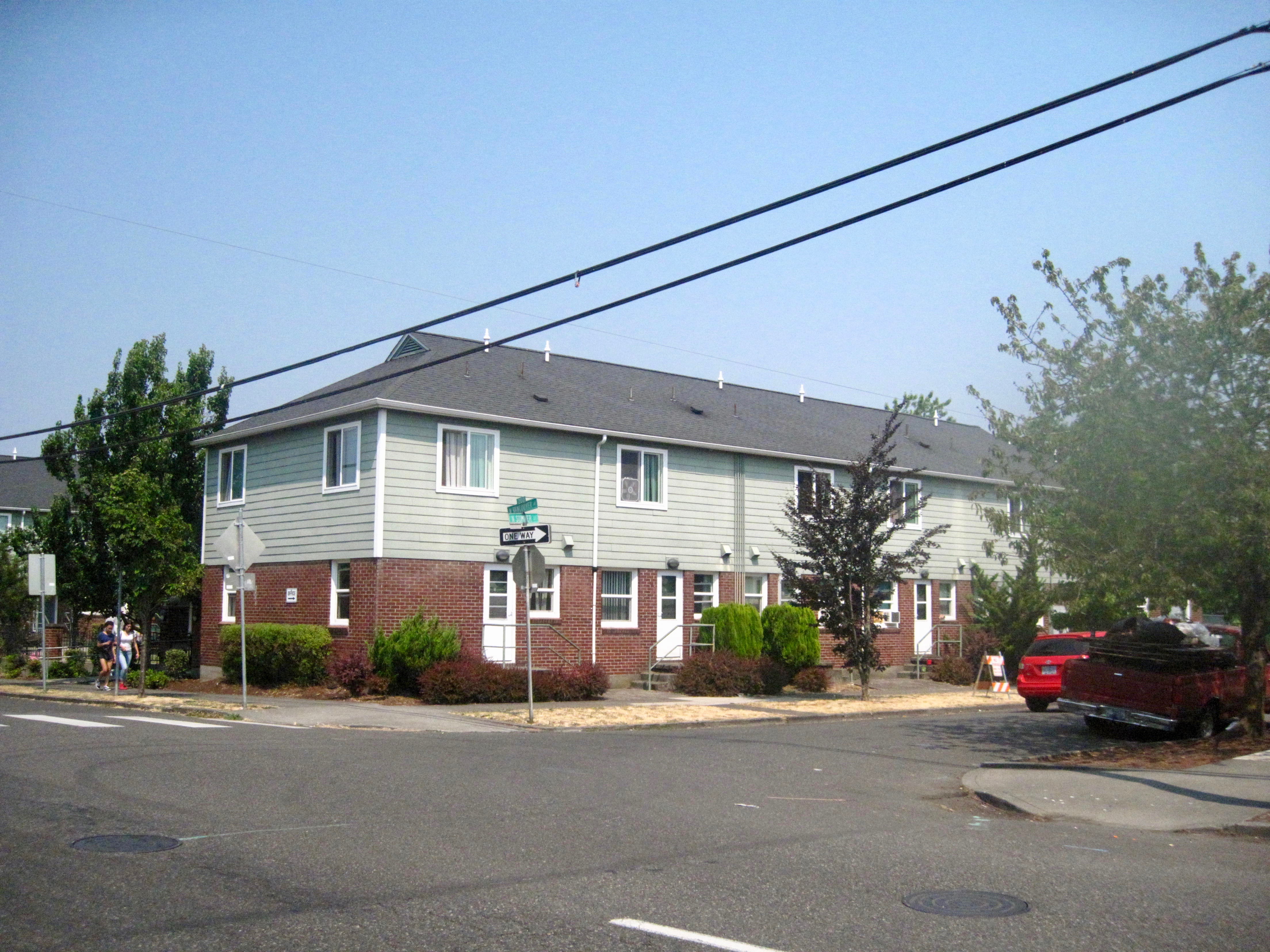
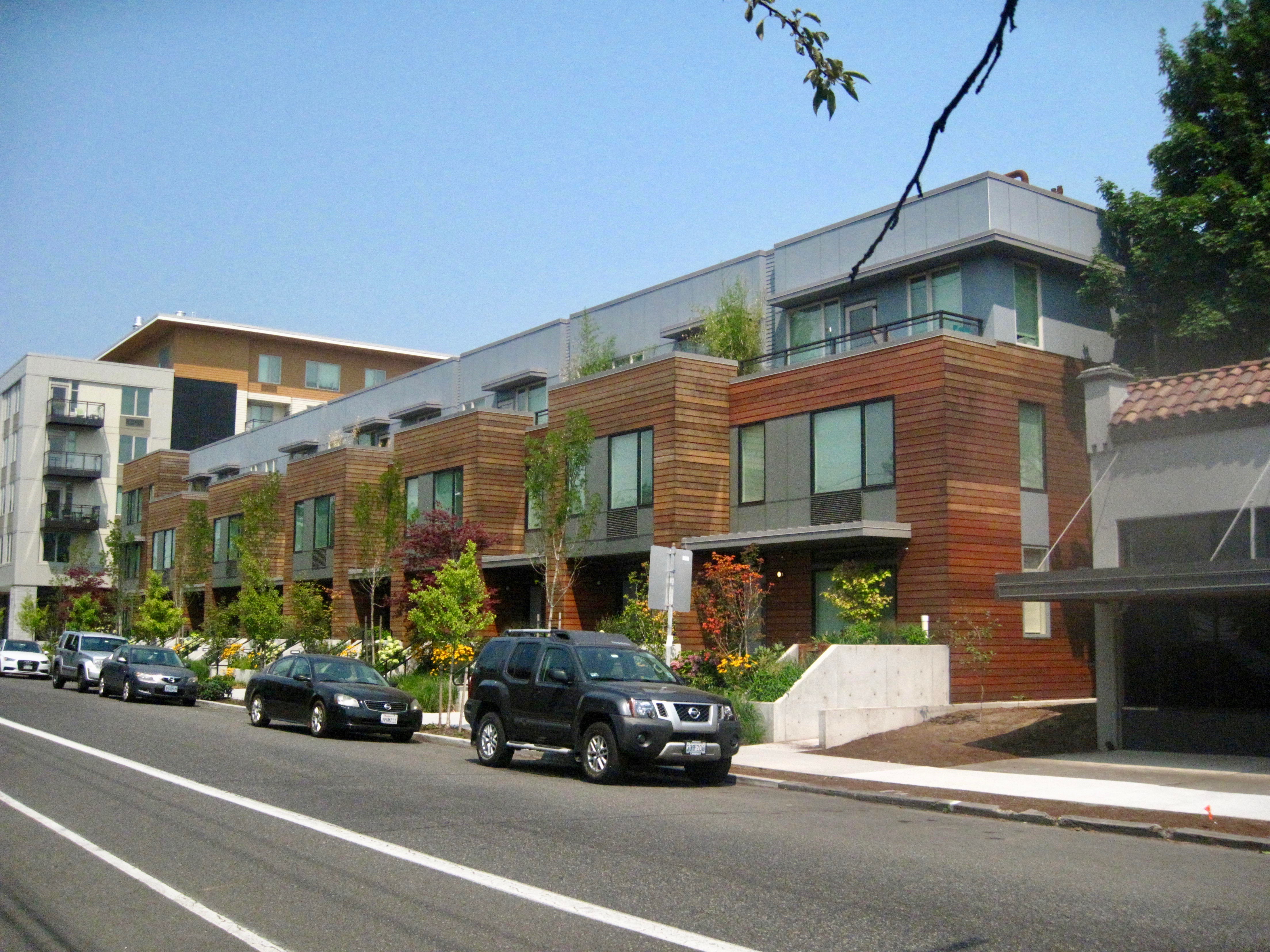
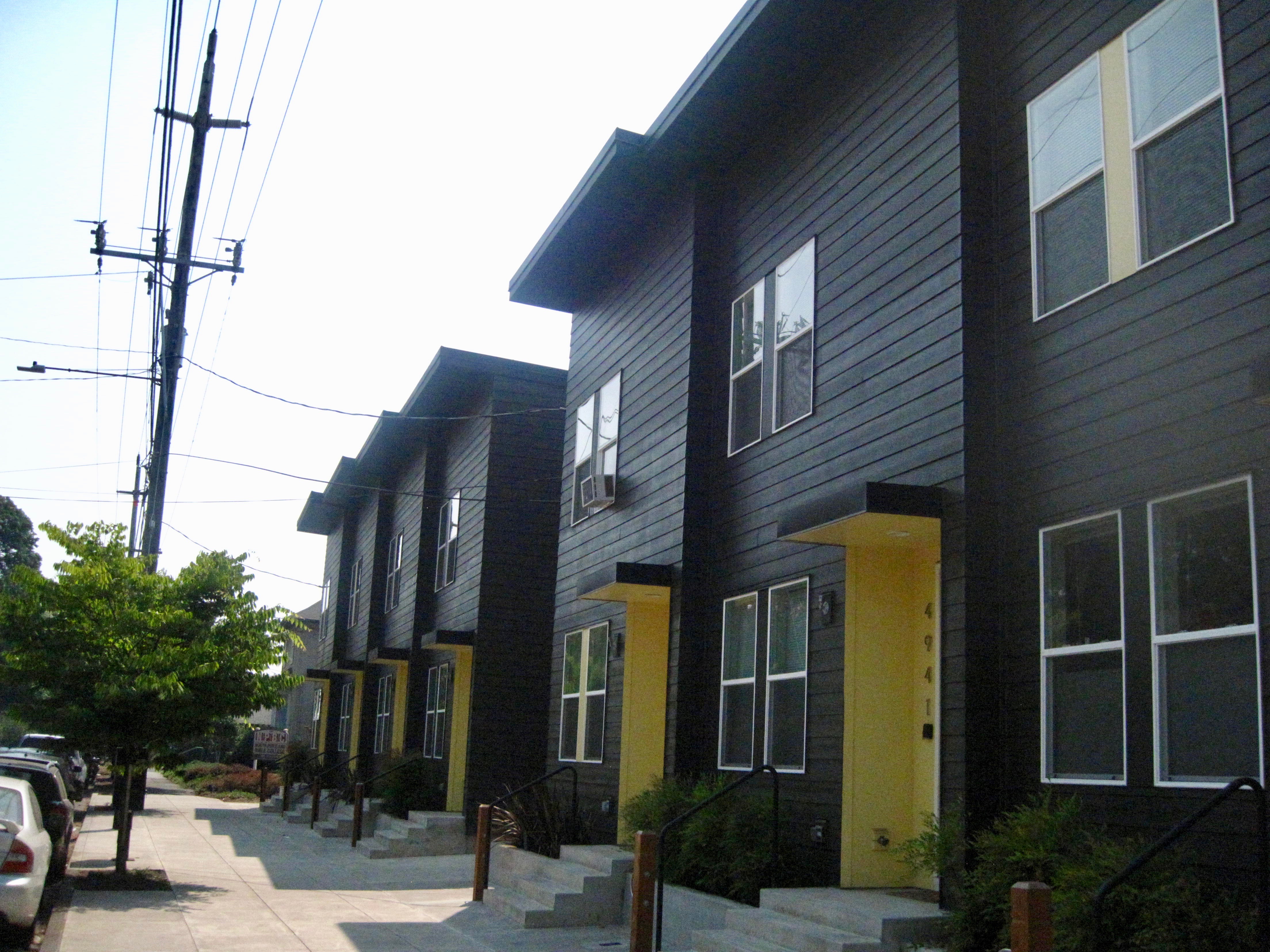
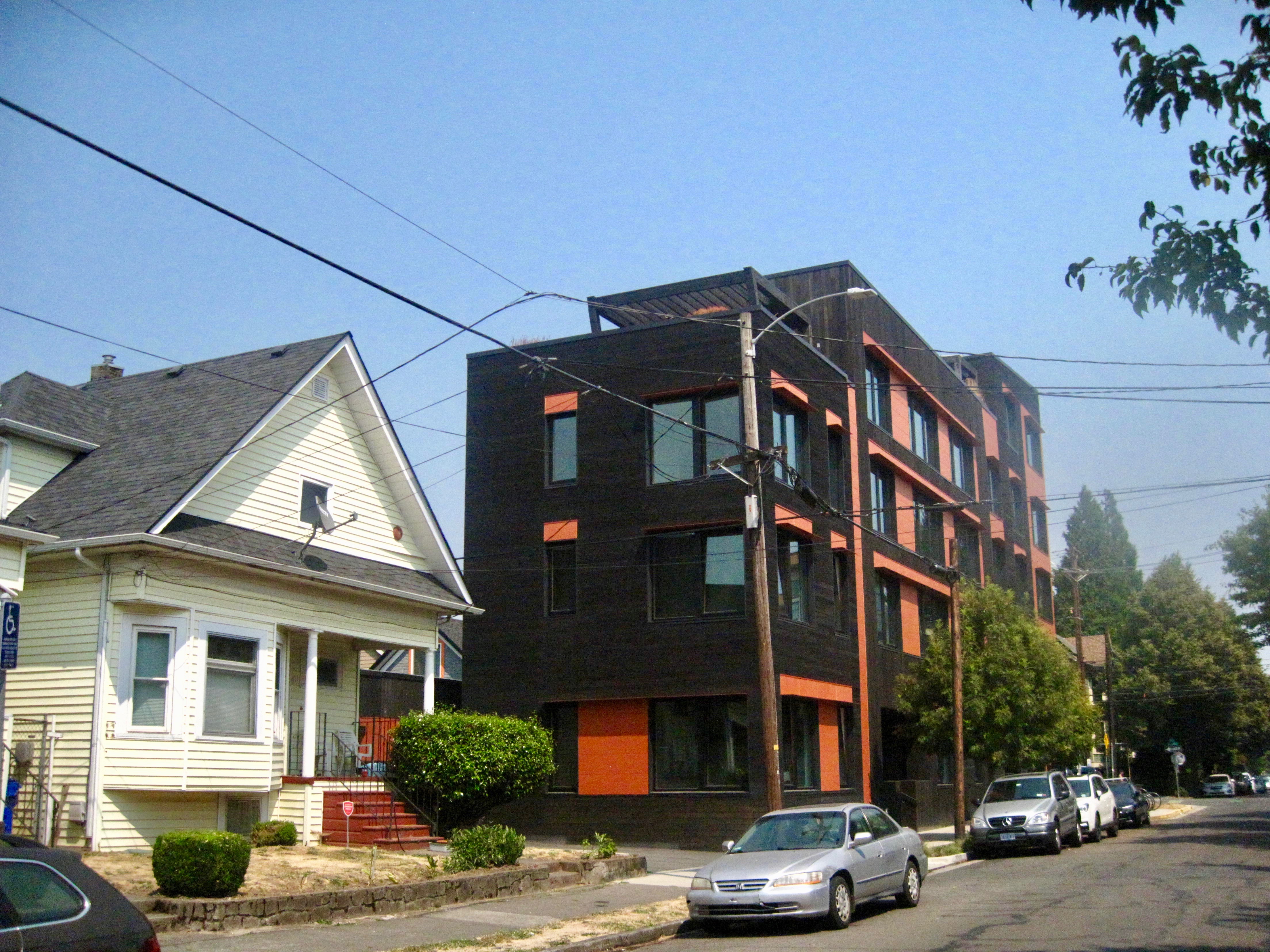
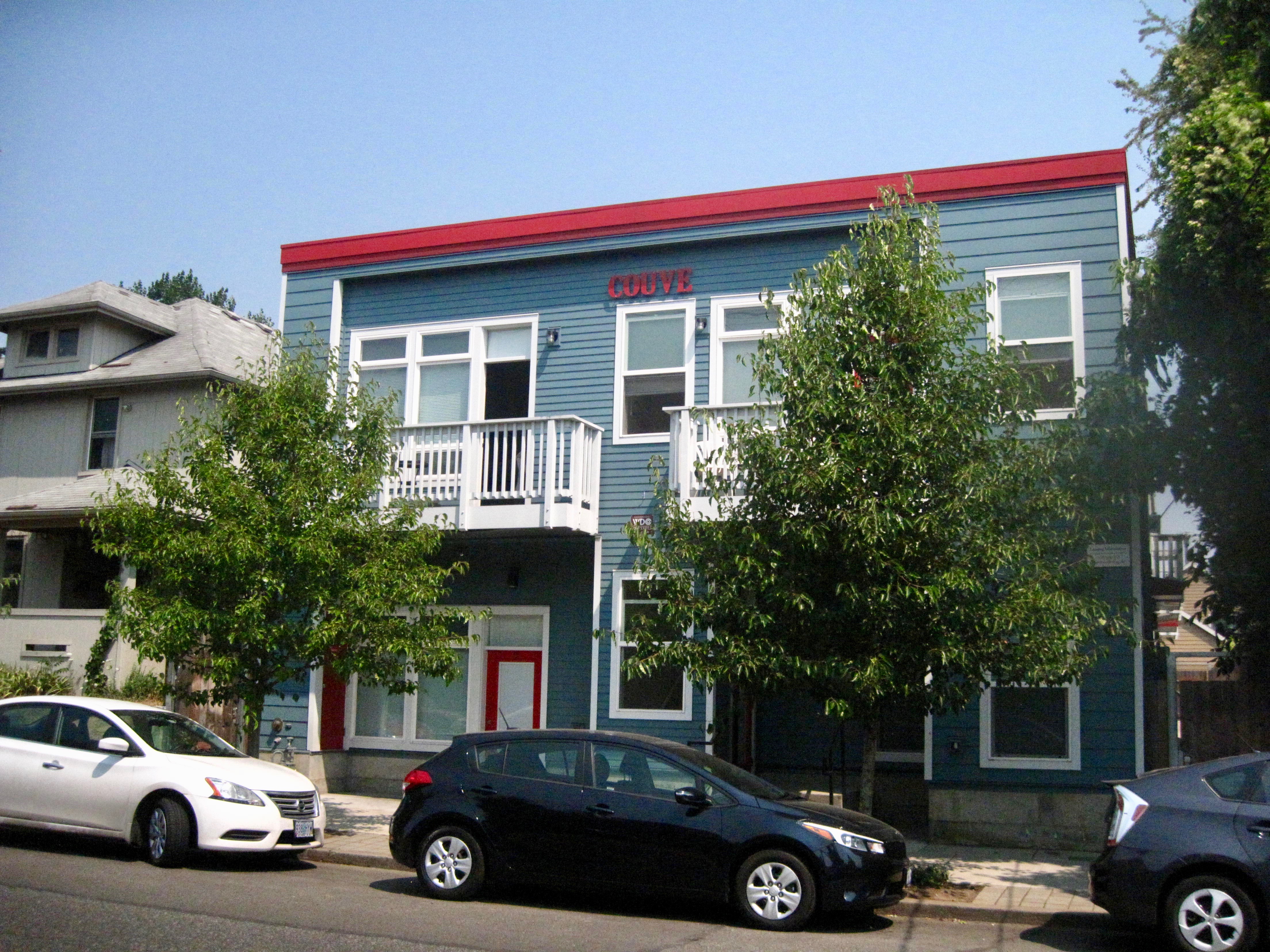
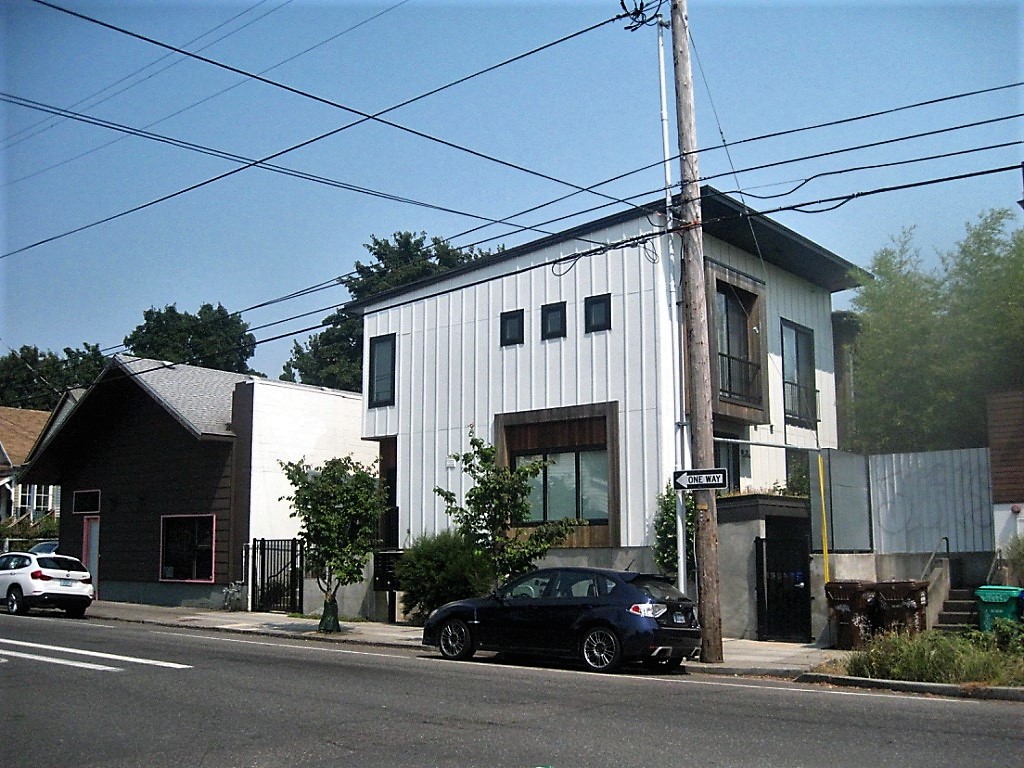
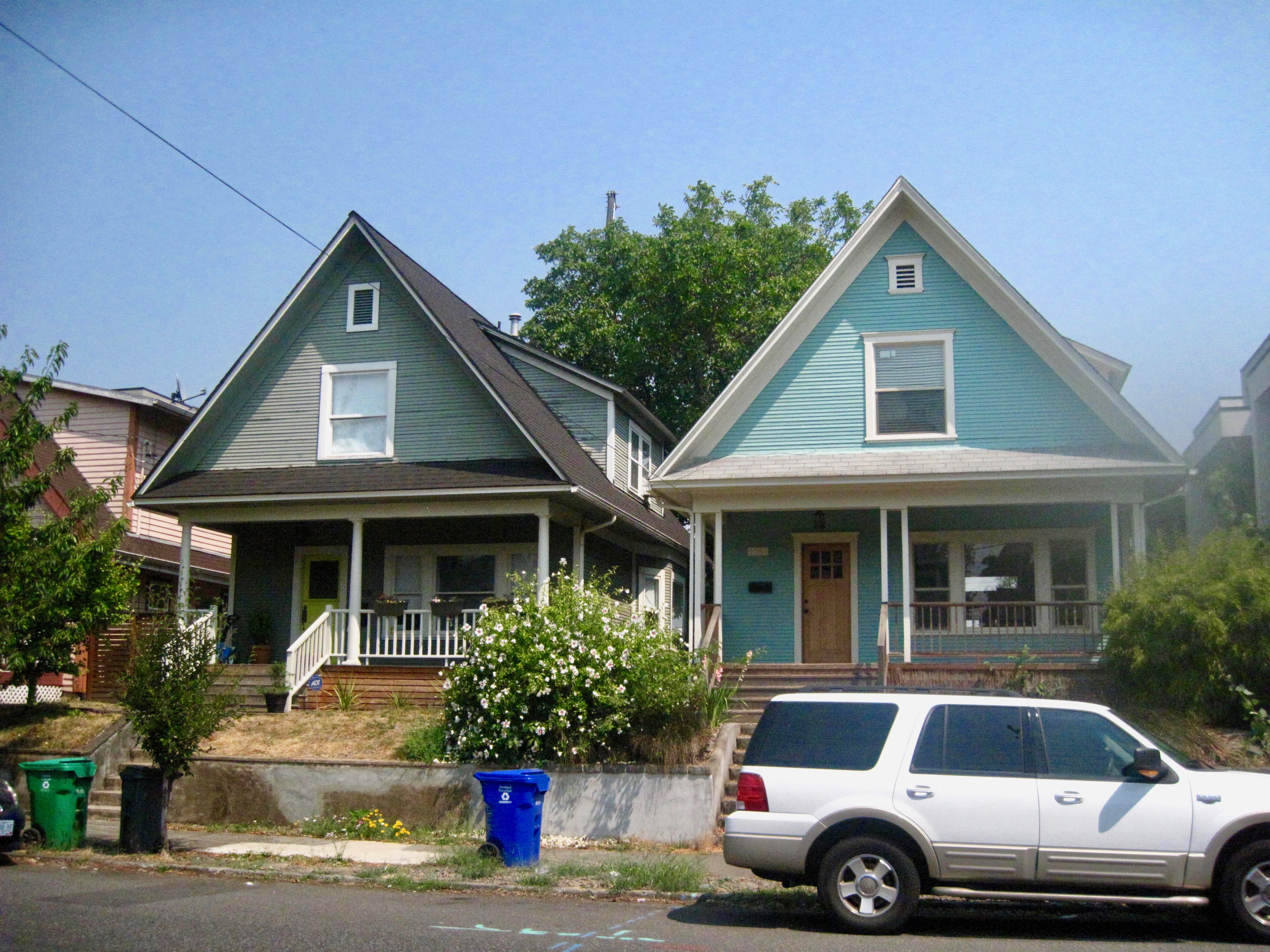
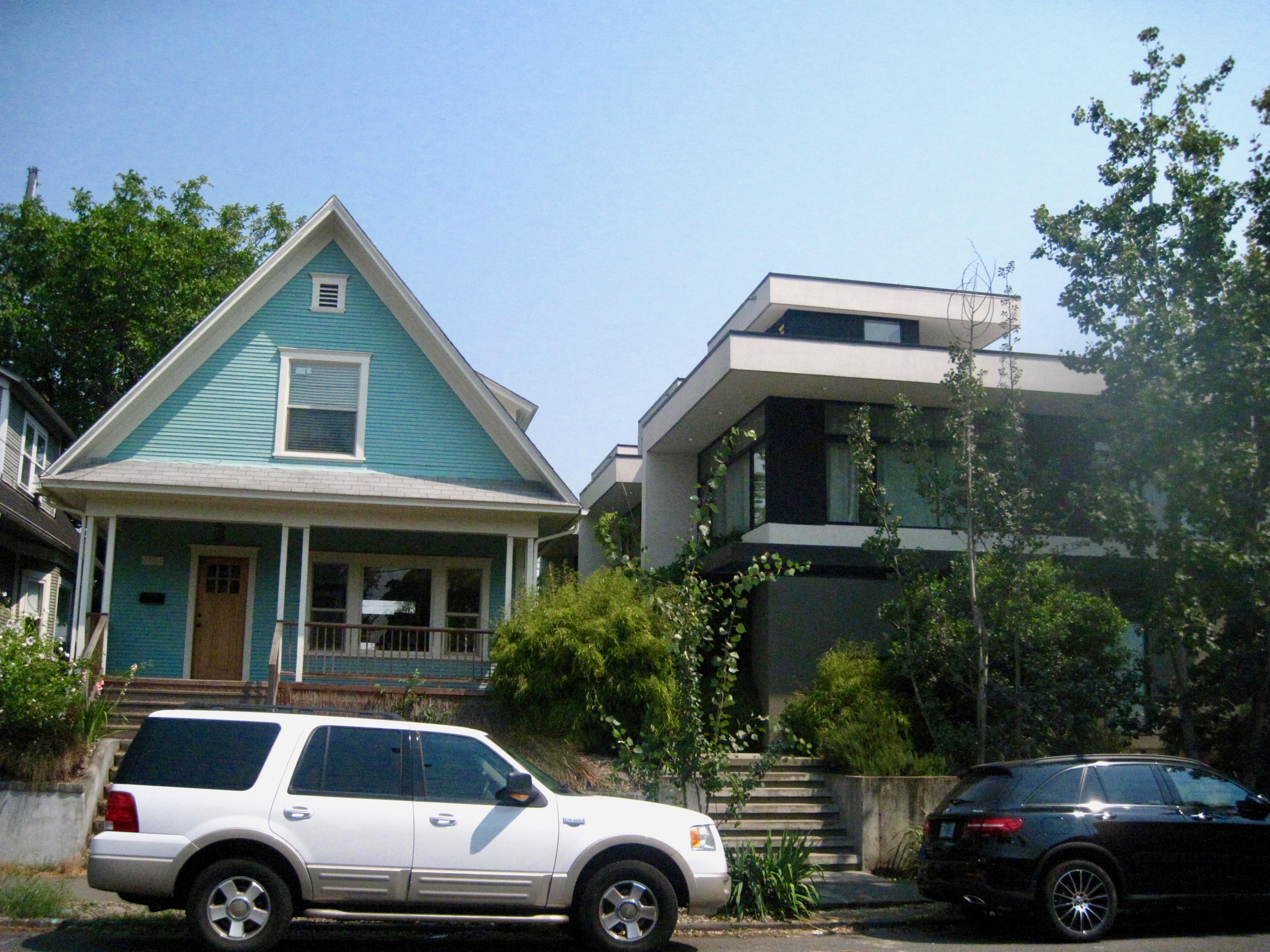
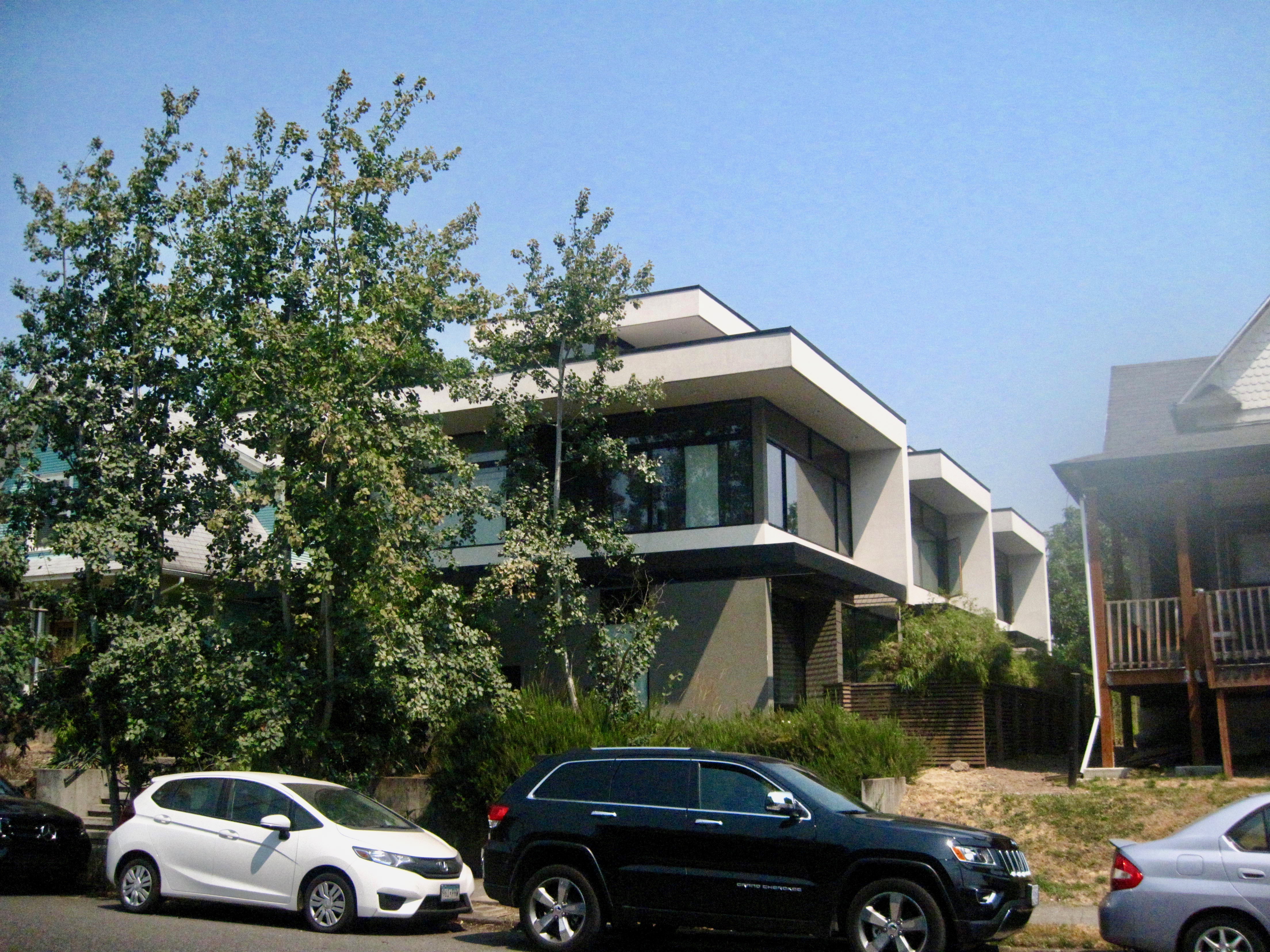
We were in Portland, OR last week, amidst the haze of wildfires and 39 degree C heat, where I snapped a few photos of some interesting row house and small multi-family projects. Most of these buildings are in the Vancouver/Williams Street corridor in northeast Portland. I love the palpable creativity of this city, and find that the mix of old and new adds richness to the city’s character and history.

Older walk-up apartment


Newer interpretations of the row house


Newer interpretations of the row house


Old meets new


ekoLiving‘s sweet Couve rental apartment building


Interesting example of an interior facing row house


Love these guys


And hello, what’s this?


It’s the 3-unit North House by William Kaven Architecture. I love this too.


Filed Under: Design, Featured Tagged With: infill, row house

A Sign of Progress

July 29, 2017 by clove Leave a Comment

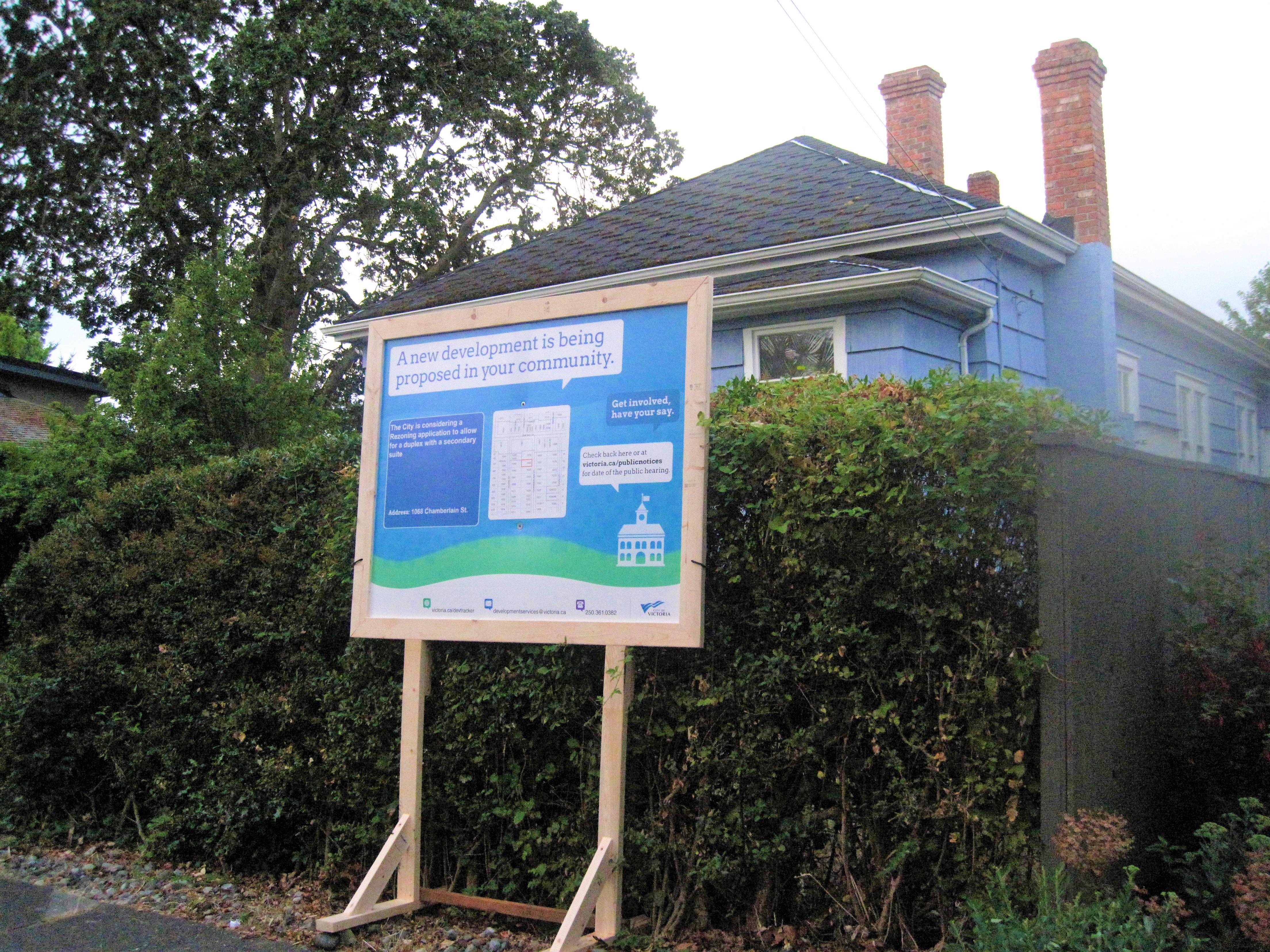
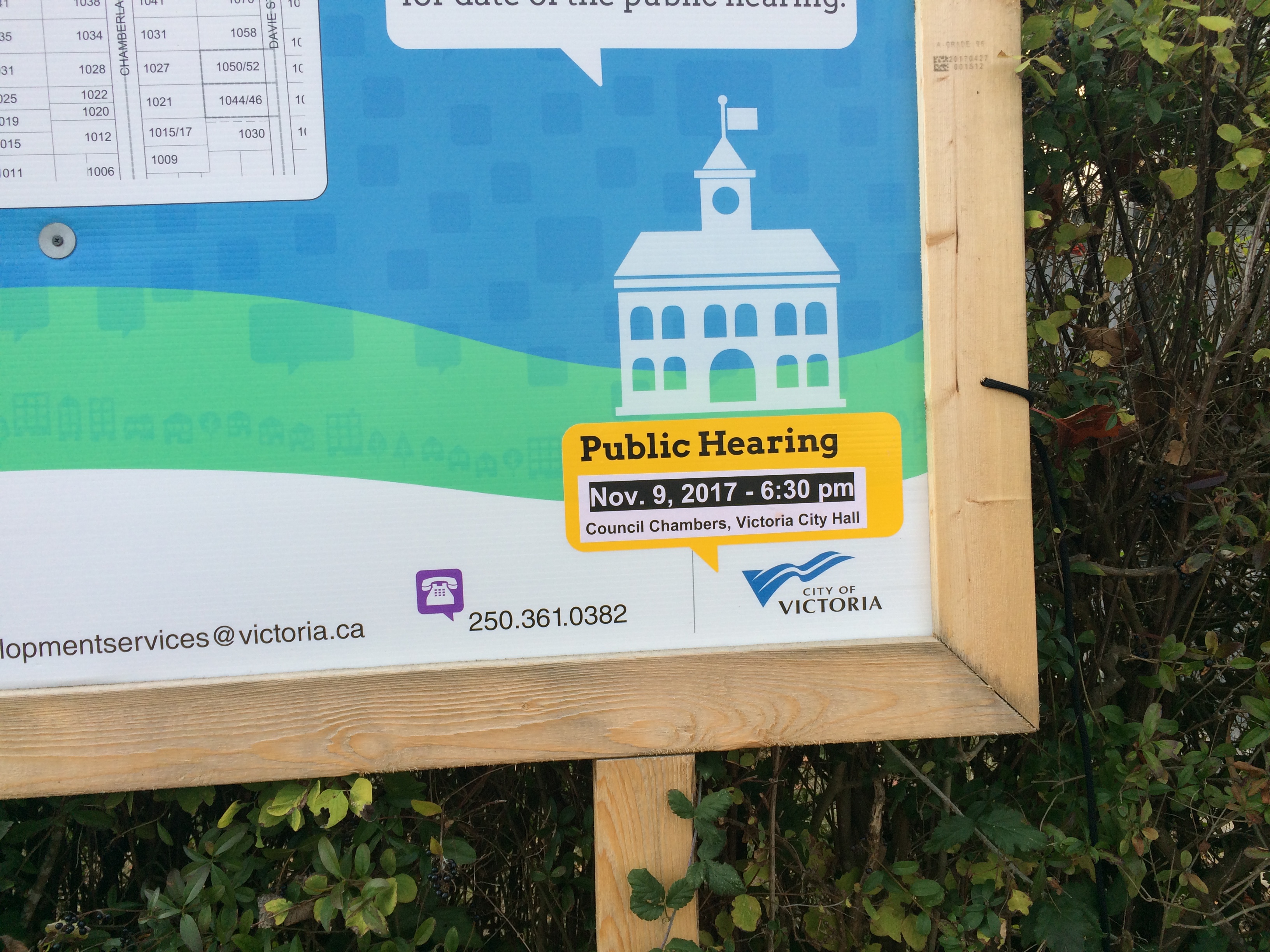
We posted this enormous sign in front of our house last weekend:

This sign means that we are on the agenda of an early August meeting of the Committee of the Whole, and it will stay up until the Public Hearing. The meeting of the Committee of the Whole is attended by both City Council and city staff, and it’s when they discuss staff’s recommendations for a given project application in advance of the Public Hearing. The meeting is open to all (you can view them in person or remotely here), but we are only allowed to listen in, not participate.

This is the last step toward rezoning approval before the public hearing. We would not expect any further comments from city staff, but it’s possible that Council may raise something major.

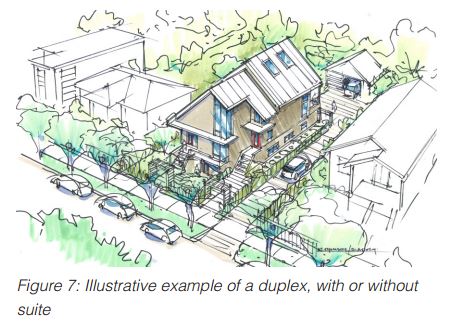
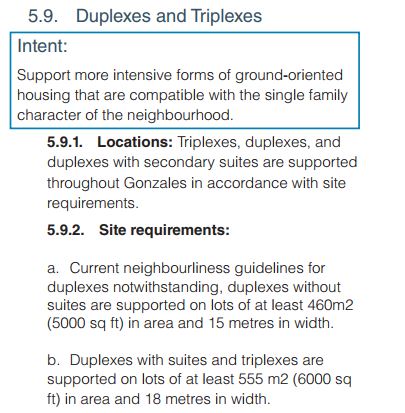
In other related news, I also recently reviewed our neighbourhood’s new draft Community Plan – the first update since 2002. Hey, get a load of this:

Duplexes + suites are specifically called out! This was the riskiest part of our rezoning application – that we were asking for a custom zoning because the existing two-family/duplex zoning does not allow suites within the duplex.

While we’ve heard in principle that the city wants more of this type of infill, and the Official Community Plan refers more generally to it, there is currently no zoning to support it. So having a nearly official document explicitly name what we are proposing is very encouraging.

Thanks to all of you who have followed along and supported the project so far!


Filed Under: Featured, Rezoning Tagged With: duplex + suite, infill, rezoning, ultra low energy

Choosing a Builder

June 24, 2017 by clove 1 Comment

For a successful Passive House or ultra low energy project, it’s important to bring your builder on board early – especially if you want one for a reasonable budget. Material, assembly, and detailing choices will all impact cost, and your builder will have the best insight on these impacts. On top of this, the local construction market is hot right now and some builders are booking a couple of years out. Planning ahead in any case is a necessity.

While a year or two ago, there was only one builder in town who had built a Passive House (shout out to Mark Bernhardt!), we now find ourselves in the enviable position of having several excellent choices.

We narrowed our search to three builders: NZ Builders, Bernhardt Contracting, and Interactive Construction. I have gotten to know all three through the Passive House community and my work at RDH, and all three are passionate about building ultra low energy homes. I mention them all because any one would be an excellent choice depending on the needs of your project. All three builders have at least one Passive House as well as other net zero/ultra low energy homes under their belts.

The downside to having these choices was that we’d have to say no to two of them – something I was not looking forward to. Matt and I took a similar approach we’ve taken when buying a house: establish our criteria, do our best to keep emotions out of it, and make the most rationale decision. Hiring a builder does add another layer of complexity over buying a house, though, because you are choosing not just the end product you think you will get, but also the person you will work closely with over the next year or more.

So what did our choice come down to? Prior experience was a prerequisite, but here are the other criteria we considered:

  • Enthusiasm and experience working with the existing house and materials:

How keen were they to work with the existing 100-year-old structure (framing, walls, roof) and existing materials (like our fir floors, solid wood doors, and bricks from our three chimneys)? Yes, it may ultimately be easier (and cheaper) to tear down and build new, but that is not what our design is about. Our existing house has a lot of good material in it. It shows none of the telltale signs of rot or other structural damage, and our design was specifically intended to preserve as much of the existing house form and materials as possible – and to look that way. If we were going to tear down and rebuild, the design would have been completely different.

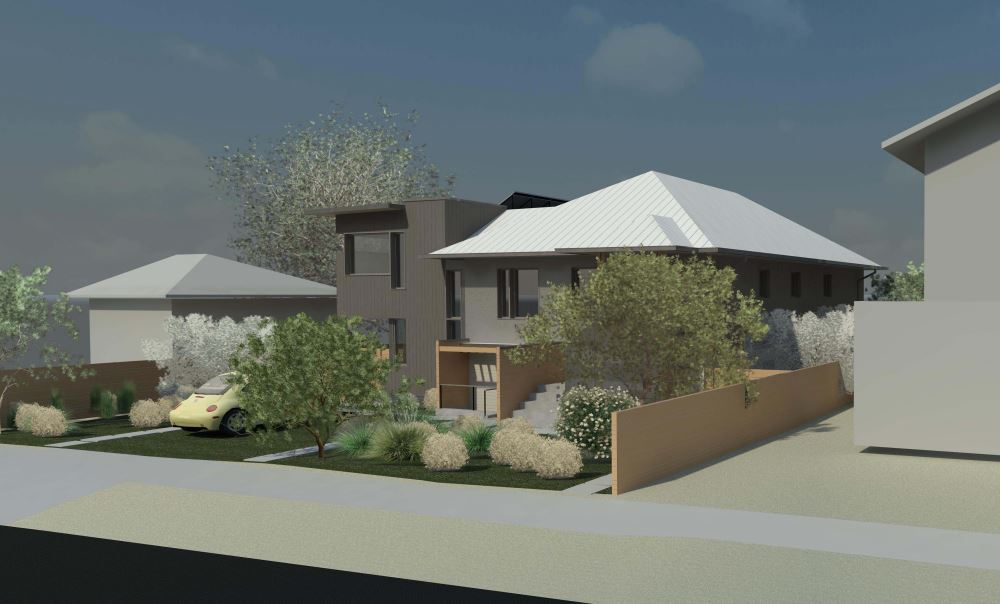
The marriage of old with new. Rendering Mark Ashby Architecture


  • Crew size and proposed construction duration:

The ability to build as quickly as is reasonable will save us financing costs, as well as the amount of time we need to live/rent somewhere else. Available crew size varied and estimated construction ranged from 7 to 12 months.

  • Budget input:

We didn’t ask for a budget, but did ask for their input on whether they thought our budget was feasible. They all said No! The cost of materials has skyrocketed in the past year, and there is a severe skilled labor shortage locally. Our original construction budget of $600-650k, which seemed entirely reasonable a year or two ago, is now laughably low. Let’s all have a good laugh (cry) and move on, because we’re now likely to be pushing the $1M mark. On the plus side, the value of real estate has gone up significantly as well. Such is the inherent risk in development.

Budget projections from all three builders were in the same range for a new build, although a builder won’t do a detailed budget until you have signed on the dotted line. The number can vary widely depending on interior finishing choices that are largely up to us. Renovation costs are also more variable and depend heavily on what we find behind the walls and what we want to do with the interiors.

Hourly labour costs did vary between the builders and this was a factor in our decision-making. But again, difficult to judge whether that automatically leads to a more expensive project – especially if one builder places a heavy emphasis on upfront planning and another flies by the seat of their pants.

As one of our project goals is to reduce our cost of living, we will have to keep a close eye on budget and likely make some difficult decisions to keep costs within a range we are comfortable with.

  • Fit:

Fit was the toughest criteria for us to evaluate objectively. Is there a fit with our values, as well as how we think and work? Do they approach their work the way we do in terms of problem solving and attention to detail? How do they respond to our ideas?

I recommend spending a good amount of time talking with any builder you are considering, because this one comes down to intuition more than any other criteria. We also talked to people who have had homes built or renovated by each builder, and toured works in progress. In this exercise, we were looking at attention to detail and quality of finish work (but not necessarily the actual finishes, which reflect owner’s preference not builder’s skill). We were also listening for how the crew communicated with us and with each other.

In the end, our evaluation against our criteria led us to sign on the dotted line with Russ Barry at Interactive. Our signed letter of engagement allows Russ to slot us into his project schedule (likely for late this year, depending on our rezoning timeline).

Now what? Next month, we will meet with Russ and Mark A to hash through assembly details – from a Passive House performance, buildability and cost perspective – and firm up those pieces. This will allow Russ to develop a more detailed budget, and will allow me to refine the Passive House model. Closer to the start of construction, and before he starts ordering materials and otherwise committing financially to our project, we will need to give Russ a deposit to the tune of $30,000.

And of course, we are still waiting on rezoning, so we won’t get too far ahead of ourselves until we clear that hurdle. Stay tuned and enjoy our beautiful summer weather in the meantime!


Filed Under: Construction, Featured Tagged With: construction, passive house, ultra low energy

Inching Ever Closer to Rezoning Approval

June 2, 2017 by clove Leave a Comment

We submitted our revised rezoning package March 14 and received comments back from the City last week. We waited longer than we’d hoped for this response, but I’ve come to accept that things taking longer than hoped is standard operating procedure when developing a project.

Granted, we also threw a couple of wrenches into the process by pushing back on two of the City’s requests from the first round:

  1. The City asked us to provide an additional 1.4 m Statutory Right-of-Way in addition to the 1.0 m already required between the property line and the back of the parking stall (see this post for details). In Round 2 of comments, they have removed this request. Phew! As one of our project goals is to preserve as much backyard green space as possible, this is an excellent outcome. We can now move the building closer to the front of the lot as originally intended.
  2. The City had also asked if we were willing to sign a covenant to show we are serious about pursuing Passive House. Initially, we said yes to keep things moving, but then we thought about it some more and talked to a few friends about their painful experiences with covenants, and concluded that we’d be better off avoiding if possible.

A covenant is a legal encumbrance that gets attached to a property and stays there for the life of the property (in some cases), or is there until you have met certain conditions and it can be removed. In our case, the covenant would say that we are designing and building to the Passive House standard and when the city is satisfied that we are indeed building to the standard, then the covenant can be removed. The problem is that both the adding and removing of a covenant means thousands of dollars in legal fees that provide no lasting benefit to the project.

If we weren’t proposing to go well beyond code, we wouldn’t be facing these legal costs. So we are being penalized, not encouraged, for going above and beyond. This didn’t feel right and we believed it wasn’t what the City was going for either, so we wrote a letter suggesting that we instead demonstrate that we have engaged a Passive House Certifier to review and certify the project. This in itself is a several thousand dollar endeavor – but at least it is one that will have a lasting benefit on our project.

The City of Vancouver takes a similar approach. In Vancouver, Passive House is an accepted rezoning path – meaning, to rezone in that city, you have to go better than code minimum, and Passive House is one approved way to get there. No covenants are required, but their code inspectors have the authority to shut down a job site if they find that you are not building to the permitted documents. They also now have several Passive House trained staff, one of whom will be assigned to your project to help you work through the process.

Happily, the City of Victoria appears to be in agreement (or at least not opposed?), and asked us to update our letter to Mayor and Council to reflect this proposed approach.

Next Steps: We now have to update our drawings to remove any reference to the extra Statutory Right-of-Way, respond to a few other minor comments, update our letter to Mayor and Council, and resubmit the whole package.

We think this means that city staff are now preparing their report to the Committee of the Whole, which is a group composed of staff and council and is the last stop before our public hearing. With a little luck we will have an approved rezoning application in hand by mid-summer.

One step closer!

Filed Under: Featured, Rezoning Tagged With: passive house, rezoning

To Passive House or Not to Passive House (Responding to City Comments Part 2)

February 17, 2017 by clove Leave a Comment

The city asked in their first rezoning review if we were willing to sign a covenant to seek Passive House certification. Good question and the time has come to answer it!

(Read more about Passive House and other approaches we considered.)

There are a couple of good reasons to pursue Passive House certification:

  • Understanding the nuances of the process by going through it.
  • Marketability – it’s becoming increasingly recognized and sought out by savvy buyers around here.

Because of what I do for a living, though, I am inclined to remain certification-system-agnostic. If we go for Passive House, it’s because I want to test it out. We’re not doing it because we think it’s the only way to a good building and to a sustainable future. It is a way. Focusing on passive principles, like airtightness, well insulated walls, no thermal bridging, and effective ventilation – is a very straightforward way to dramatically reduce our energy consumption and greenhouse gas emissions, and I do believe this is a critical approach to building better buildings. A house that consumes 20 kWh/m2/yr instead of the 15 required by Passive House at the end of the day is still miles ahead of a typical one that consumes 100.

I’m also very curious about the impact of occupant behavior. Could we build something slightly less than a passive house and use as little energy through conscious consumption? Would we be more uncomfortable? Is there an ideal balance that is something less than Passive House but right in our mild west coast climate? These are difficult questions to answer on a single project, but interesting all the same.

I’ve had in my mind from the beginning what I believed to be a reasonable but very high performing wall assembly: 2×4 wood frame cavity with batt insulation; plywood sheathing, weather barrier, 6” of mineral fibre insulation; rainscreen and cladding. We’re on board for a high-efficiency heat recovery ventilator (Zehnder, Paul or similar) and we’re set on good triple pane windows. We’re committed to renewables with a goal of net zero energy consumption and zero greenhouse gas emissions.

But I was not sure about other pieces like the amount of roof and below slab insulation. And I wasn’t sure how this would all add up in the eyes of Passive House. There was no way of getting around it – I had to model it in PHPP, the Passive House (giant) spreadsheet software.

In early January, I took the 3-day Passive House modeling course as a follow-up to the 5-day design course I took three years ago. I’ve since been chipping away at the model to give us more confidence about what we are prepared to commit to in our re-submission to the city.

I’m relieved to report that I am *almost* finished the model.

The first time going through a whole model for a smaller house takes at least 3 days, assuming you’ve had some training. I’m 24 hours in so far, and this includes a fair bit of head scratching, learning, looking at other examples, going back and fixing mistakes.

I would recommend to anyone who has the luxury to devote 3 whole days in a row to get your head into it; even half days are wonderful. I found two hours at a time is about the minimum to feel productive. And keep moving – if I got stuck and bogged down by something, I moved on to make progress elsewhere, then looped back after I’d had a bit of time to digest the issues, or could ask someone for guidance.

The modeling tool itself is not difficult provided you are comfortable using Excel, but it does take time to understand the intent of each entry and to follow the protocols where they exist. The most frustrating part of the modeling for me was that there are several key entries that require significant work in the background – for example, calculating total floor area, heat loss area, and domestic hot water pipe lengths – but lead to a single number entered into a single excel cell. The progress is significant but can feel small.

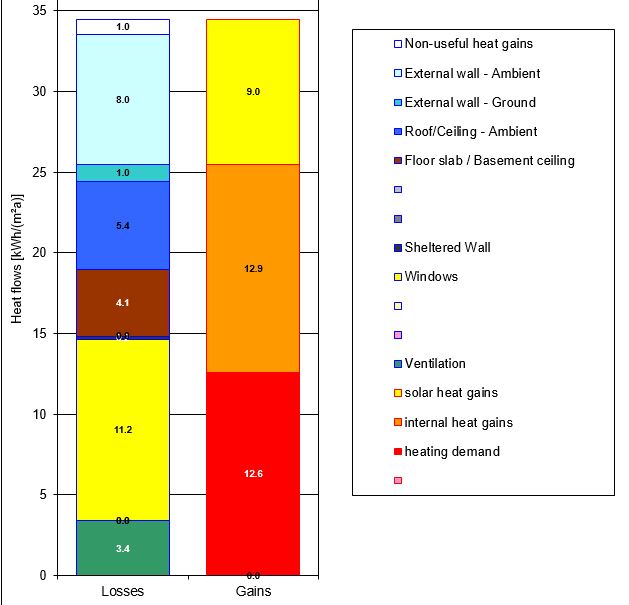
Here is the heart of what you get out of the model:

The software is really an energy balancing tool in which your goal is to moderate heat losses (e.g. through your walls and windows), and then balance them with gains (e.g. through people, light bulbs, appliances, as well as solar gains through windows). The remaining imbalance is your heating demand, represented by the red chunk in the ‘gains’ bar above – this is what you have to add to the space, and this is the number that Passive House requires you to keep less than or equal to 15 kWh/m2/year.

I still have a few key inputs to add, but am feeling confident that this is within reach for our project and we are likely to go for it. In the meantime, time to reclaim my personal wellness time and get outside for some fresh pre-spring air! Thanks for reading!


Filed Under: Performance, Rezoning Tagged With: energy efficient design, passive house, performance, ultra low energy

Argh, Parking! (Responding to City Comments Part 1)

February 17, 2017 by clove Leave a Comment

Lest you surmise I’ve been idly twiddling my thumbs for the past 3 months, I’m overdue to lift my head and share an update.

Besides shivering through Victoria’s longest cold snap in over 30 years, we’ve been working on 2 big things:

  1. Responding to the first round of city comments on our rezoning application.
  2. Completing the Passive House PHPP model.

I’ll cover the first item here. See this post for the Passive House model update.

We received our first round of comments back from the city on December 22 –  four weeks after we’d officially submitted. When I first reviewed the comments, I felt discouraged, as there appeared to be a long list of issues. But Ian, our planning consultant, pointed out this key sentence at the beginning of the letter:

The application as submitted can be considered with the land use policies relevant to the property.

Ian thought this was an excellent response. It is saying, albeit obliquely, that the city is likely to support our application, provided we address their comments. Great!

Ian and I met with the planner responsible for our project to clarify some of the comments. Nothing earth shattering resulted from this meeting, but it was good to have the face time and confirm that we understood their intent.

There were two major comments that affect our design: parking and roof lines.

Parking:

I long for the day when the level of consideration, money and space we devote to places to put our cars do not vastly overshadow the resources we devote toward places for people to actually live. Alas.

The rules around parking are largely inflexible and at odds with our desire to preserve green space on our urban lot. At the same time, the more we push the rules, the longer the timeline drags out and the less certain our outcome becomes, so we’re working toward a reasonable solution that satisfies city engineering but does not compromise our project goals.

We’re required to provide 2 off street parking spots for a duplex (the secondary suite does not require a third spot thankfully). Our neighbourhood has a precedent to allow for front yard parking, which we are invoking to preserve as much back yard space as possible.

One of the unbendable requirements is a 1.0 m setback from the rear of the parking spot to the property line. In the initial review, the engineering department also asked for an additional 1.4 m right of way in the front yard. Why? Because they might one day widen our entire block from the current 15 m street width to the more standard 18 m. Really? We already have sidewalks on both sides, parking on both sides, and boulevard green space between the sidewalks and street. The narrowness of our street also has the desired effect of slowing vehicle speeds. Sounds OK to me.

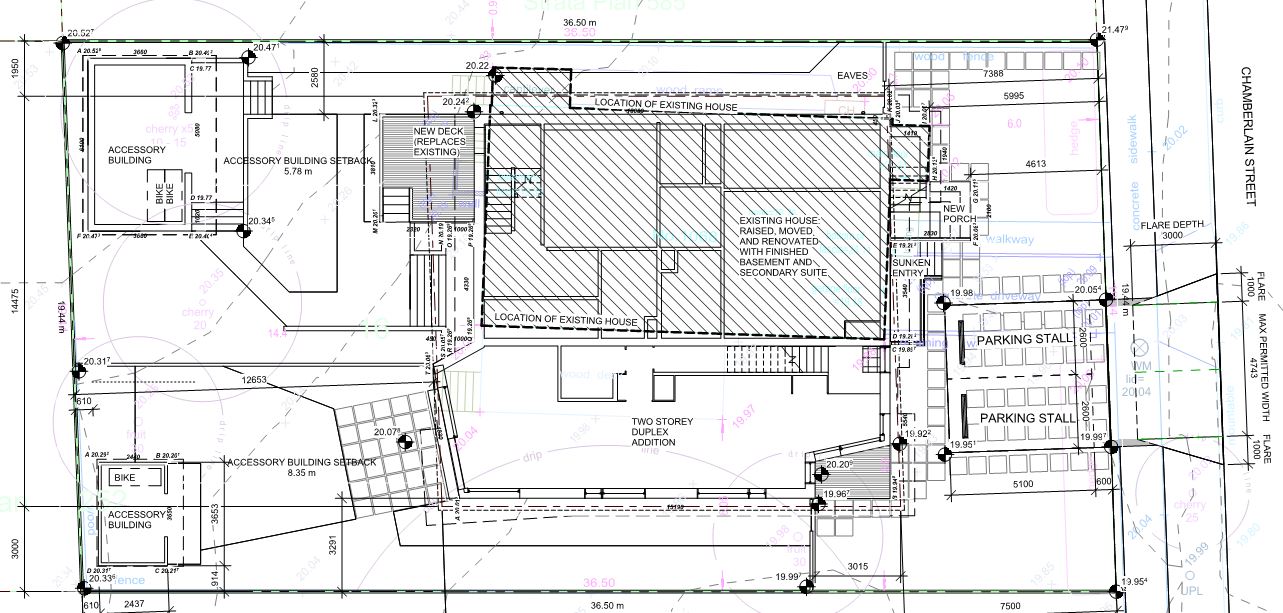
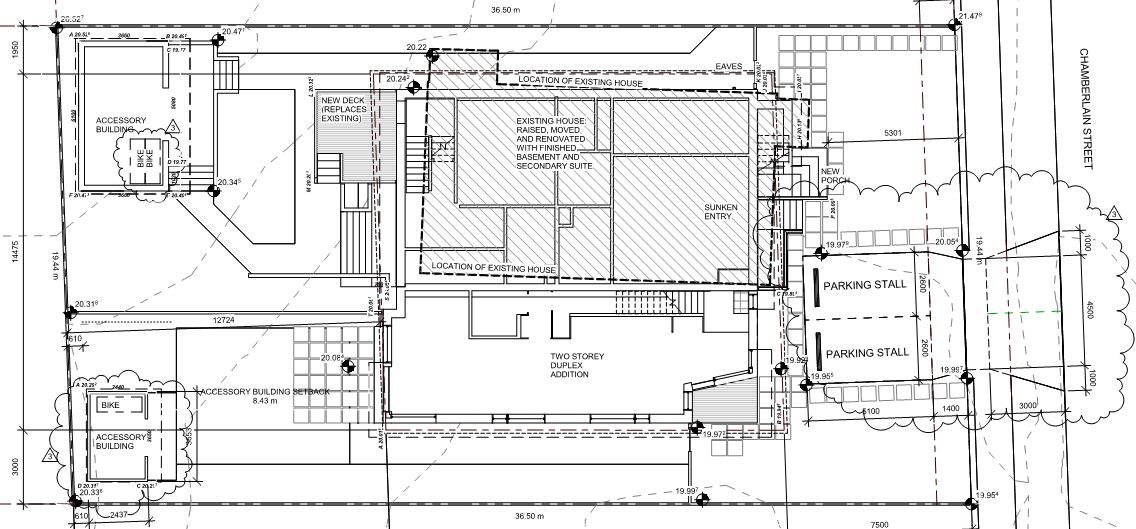
We do not agree with this request, nor is there any policy requirement that we grant this request. So we’ve decided to provide 1.4 m total, not 1.4 plus 1.0 m, as a compromise that we feel is likely to be accepted. Here’s how the design has evolved as a result:

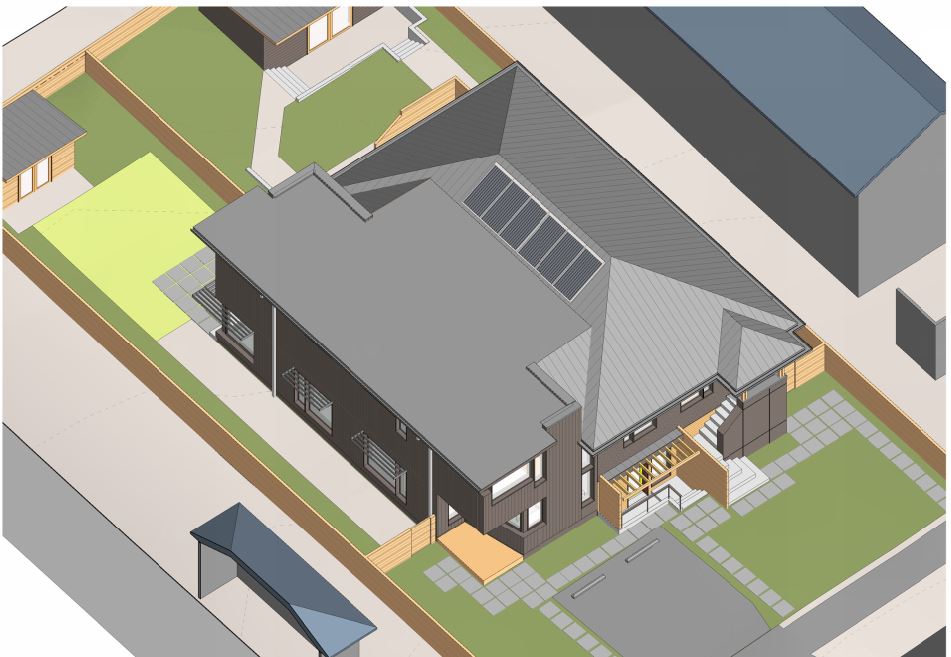
Before: We were just a hair short of the 1.0 m required between the end of the stall and the property line, but thought we’d give it a shot:

After: We’ve shifted the house back 0.7 m and shortened up the back end of the new addition to achieve the 1.4 m setback at the front without infringing on rear setback limits:

This design change has the added bonus of simplifying the enclosure shape, which is good for Passive House, and we’re pleased with this evolution.

Roof Transition:

The City questioned the transition between old and new roofs. Something wasn’t working, and they rightly pointed out a weakness in our design, if not a simple lack of clarity.

We bandied about the idea of a more dramatic change to the existing hip roof to a gable roof. In addition to being a bolder shape, a gable roof would open up the potential for a loft space, vaulted ceilings and other cool design elements.

But then we thought through the implications – changing most of the roof line, extending the walls up to create the gable; interior redesign to include a stair or other access to the loft space, and potential zoning floor area restrictions we might now bump up against. Besides the fact that our existing house would no longer resemble its original self, there were a whole host of ripple effects that were going to add cost and stretch out the project timeline.

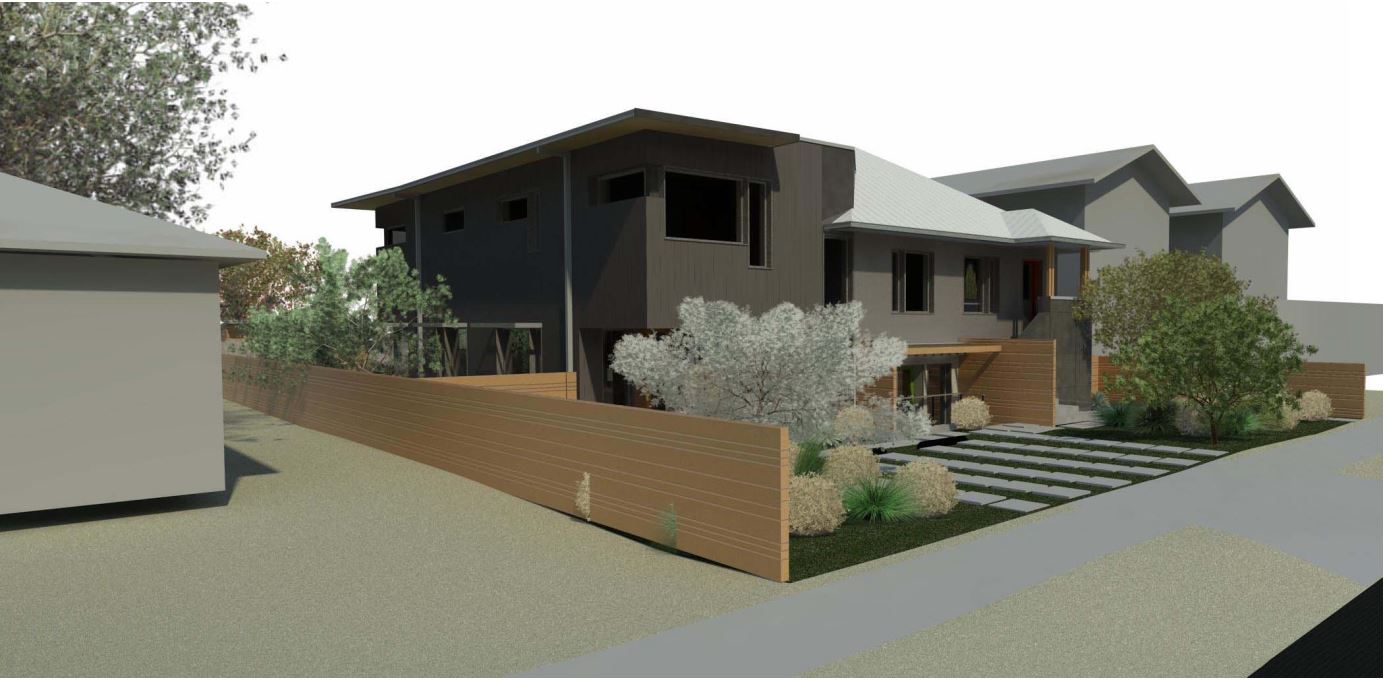
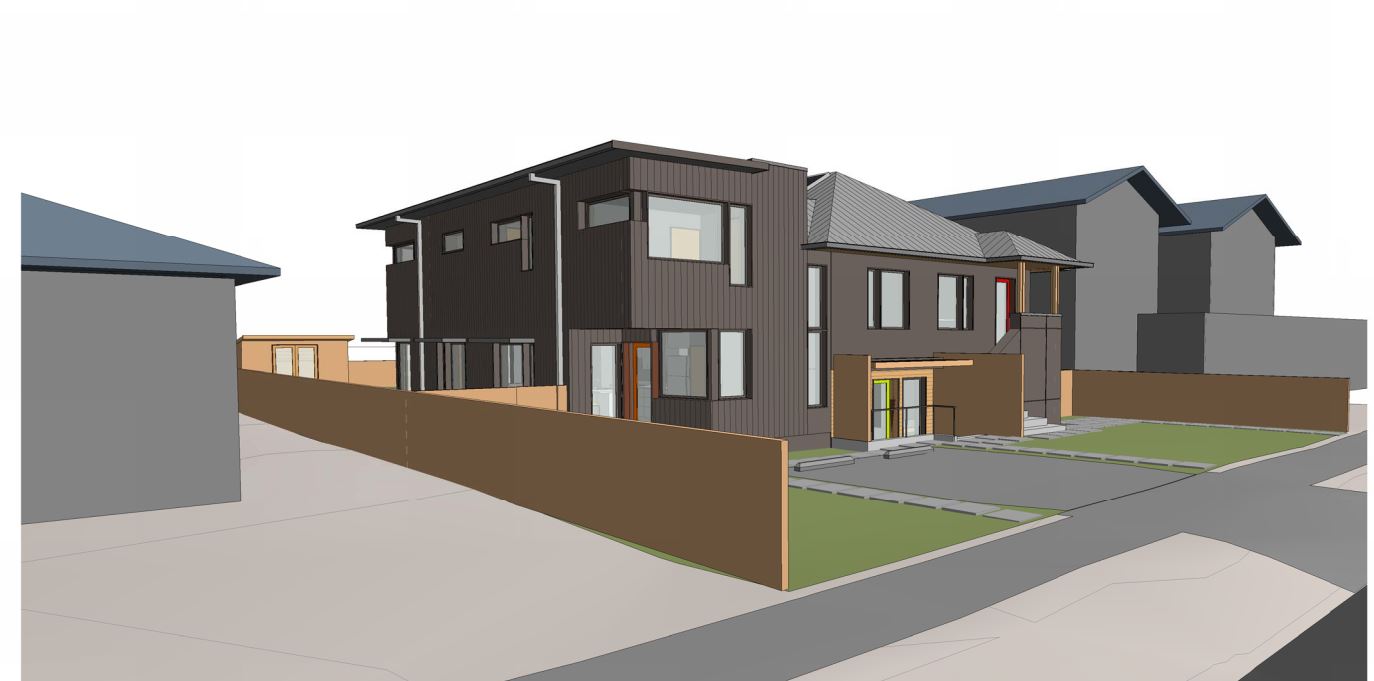
Fortunately, though, as the creative process often goes, this exercise led Mark A to a more elegant solution for the hip roof, which is what we chose to stick with. Here is the before transition from old to new:

And the after:

Renderings by Mark Ashby Architecture

We’ve been working on these revisions for the past six weeks. When complete, we will submit an updated set, a revised letter to Mayor and Council, and an updated narrative. We may get another round of comments, or if all goes well, we will move on to the meeting of the Committee of the Whole – one step closer to rezoning approval, and we’re holding firm on our current goal to be under construction this summer!

Filed Under: Design, Featured, Rezoning Tagged With: energy efficient design, infill, rezoning, ultra low energy

  • « Previous Page
  • 1
  • …
  • 3
  • 4
  • 5
  • 6
  • 7
  • …
  • 9
  • Next Page »

Who is Stretch Developer?

Stretch Developer is written by Christy Love. In partnership with my husband Matt, we are challenging ourselves to create the kind of homes we want to live in and see more of in our community. Home is the incredible Victoria, BC, Canada.

Sign up!

Sign up to receive email notifications of new posts.

Recent Posts

  • New Uses for Old Wood Part 2 September 26, 2021
  • Ongoing Preparations for the Apocalypse August 13, 2021
  • Things We’ve Noticed – Energy Edition May 29, 2021
  • Passive House Suite for Rent April 17, 2021
  • Things We’ve Noticed – Comfort Edition March 14, 2021

Blogs We Like

Green Building Advisor Blogs

Musings of an Energy Nerd

Treehugger

Talk to ARYZE

Recent Posts

  • New Uses for Old Wood Part 2
  • Ongoing Preparations for the Apocalypse
  • Things We’ve Noticed – Energy Edition
  • Passive House Suite for Rent
  • Things We’ve Noticed – Comfort Edition
  • New Uses for Old Wood Part 1

Tags

budget building permit cabinet construction climate action climate change community engagement construction deep energy retrofit design design progress development permit duplex duplex + suite energy consumption energy efficient design financing financing passive house finding land food security home inspections infill low energy design neighbourhood engagement net zero passive house Passive House comfort Passive House construction Passive House construction costs passive house for sale Passive House performance Passive House performance; Sanden CO2 heat pump Passive House rental Passive House systems passive house testing performance pro forma property search tips reclaimed wood reclaimed wood construction rezoning roof row house small lot development small lot subdivision ultra low energy

Copyright © 2026 · Metro Pro Theme on Genesis Framework · WordPress · Log in


Loading Comments...